The Landlord's Guide to Maintaining a Secondary Suite
Owning a secondary suite can be one of the smartest long-term investments for Calgary homeowners. A well-maintained legal basement suite provides reliable rental income, protects your property's value, and helps attract responsible tenants who appreciate a comfortable place to live.

Many landlords focus on finding good tenants but underestimate how much regular maintenance contributes to lower repair costs. In our experience, small issues like a dripping pipe or a clogged furnace filter rarely stay small for long. A proactive maintenance routine is almost always less expensive than dealing with emergency repairs.

Whether you've recently completed a legal suite or have rented one for years, having a maintenance plan will make your life easier and help keep your investment in excellent condition.
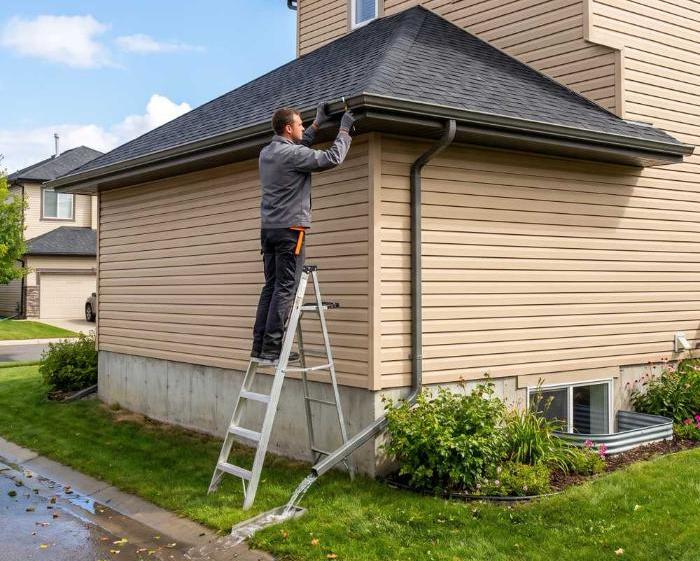
Why Regular Maintenance Matters

A secondary suite experiences more wear than a typical basement because it's occupied every day. Kitchens, bathrooms, plumbing fixtures, heating systems, and appliances all work harder when someone lives there full-time.

Stick to a routine and the payoff shows up in a few different ways. Repair costs come down since problems get caught while they're still cheap to fix, and building components tend to last longer when nobody's ignoring the small stuff. Tenants notice too — a suite that's looked after is a suite people want to stay in. And beyond the day-to-day, it protects the resale value of your home and lowers the odds of an insurance claim down the road, since a lot of safety concerns are only serious once they've been left alone for months.

For Calgary homeowners, maintenance is even more important because our climate can be tough on residential properties. Long winters, spring snowmelt, and sudden summer storms all affect foundations, drainage, roofing, and mechanical systems.

Create a Preventative Maintenance Schedule

The easiest way to avoid costly surprises is to divide maintenance into regular intervals throughout the year.

Monthly Tasks

These quick checks only take a few minutes.
  • Test smoke alarms and carbon monoxide detectors.
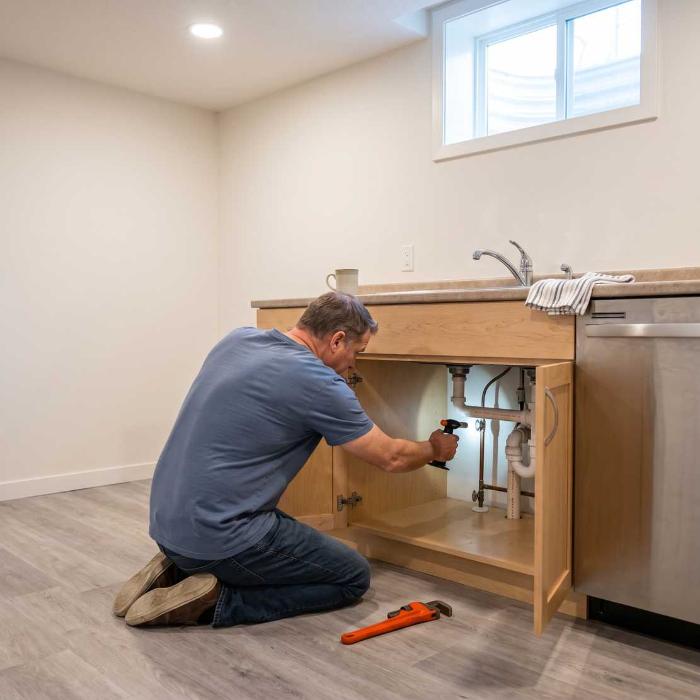
  • Inspect under sinks for plumbing leaks.
  • Check that bathroom fans are working properly.
  • Replace furnace filters if needed.
  • Walk around the exterior looking for drainage problems after heavy rain.
Small problems caught early are usually inexpensive to fix.

Every Six Months

Twice a year, spend a little more time inspecting the suite. Windows and weatherstripping are worth a close look, along with the caulking around tubs and showers — both tend to wear out quietly. It's also a good time to run the kitchen exhaust fan and check that the furnace and ventilation system are doing their job. Outside, look at the grading around the foundation, and while you're at it, check the hot water tank for any signs of corrosion.

These inspections often reveal issues before tenants even notice them.

Annual Maintenance

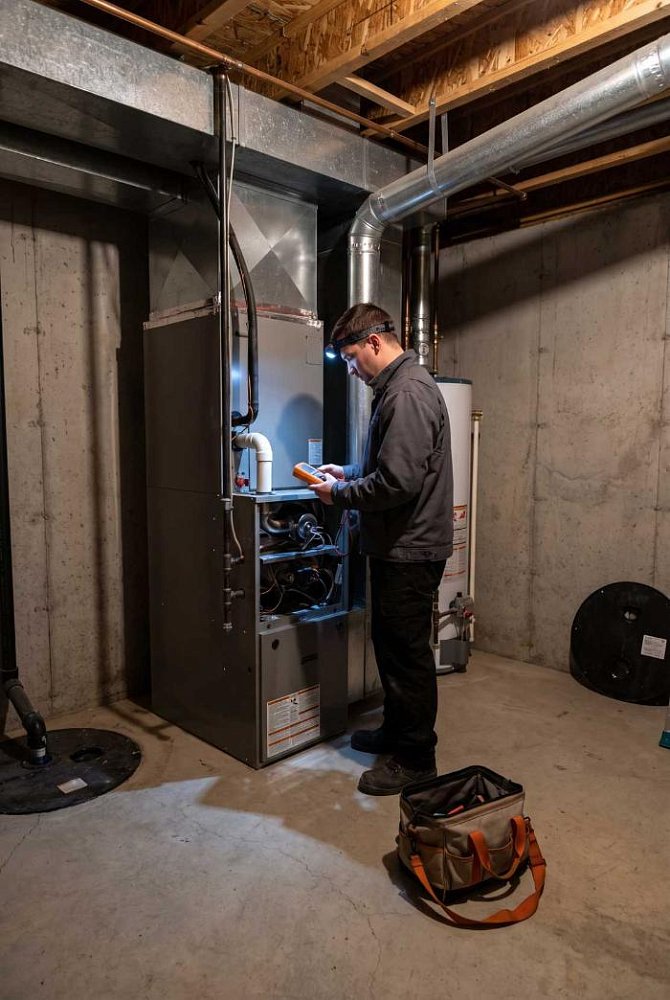
Once each year it's worth arranging a more thorough inspection. Professional furnace servicing is the obvious one, but a plumbing inspection and, if it's been a while, an electrical safety check are worth scheduling too. Cleaning the dryer vents, checking any sump pumps, and inspecting exterior drainage round out the list. Many landlords schedule this work between tenants whenever possible, which cuts down on the disruption.

Moisture Is the Biggest Basement Enemy

Basements naturally have higher humidity than upper floors. Calgary's freeze-thaw cycles can also allow water to find its way toward foundations if drainage isn't working properly.

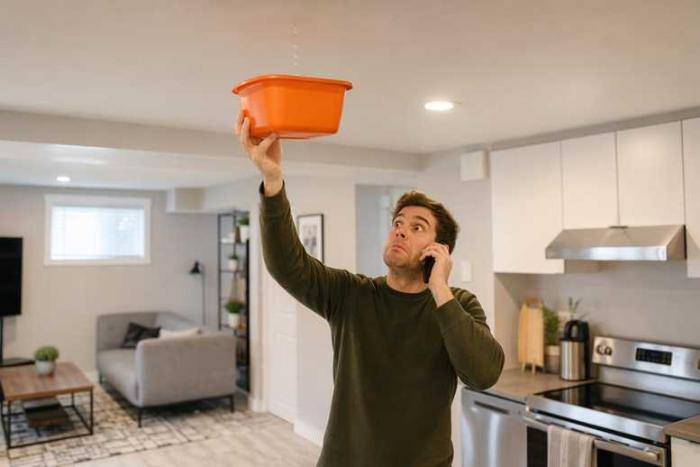
One thing many landlords don't realize is that moisture problems usually develop gradually. A musty odour, peeling paint, condensation on the windows, warped flooring, stains on the drywall, or mould creeping around the baseboards — these are all early signals, not sudden events, so it pays to notice them the first time rather than the third.

Keeping humidity under control is just as important as repairing leaks. A properly operating bathroom fan, good exterior drainage, and regular inspections go a long way toward preventing expensive water damage.

Keep Safety Systems Up to Date

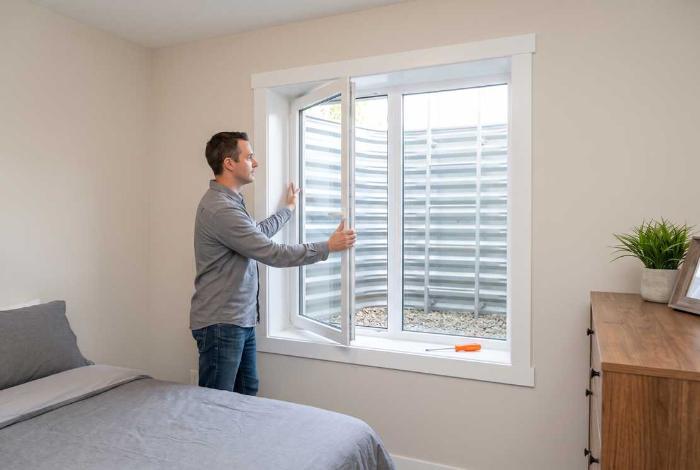
Every legal basement suite depends on several safety systems working correctly. Smoke alarms and carbon monoxide detectors should be tested regularly according to manufacturer recommendations, and emergency exits need to stay unobstructed at all times. If a window is meant to serve as emergency egress, make sure it actually opens easily — not just in theory.

Lighting around exterior entrances should also remain functional throughout the year, especially during Calgary's long winter evenings. And if you come across electrical outlets that show signs of damage, loose switches, or a breaker that keeps tripping, that's not something to put off — get a qualified electrician to look at it promptly.

Build a Good Relationship With Your Tenants

Maintenance becomes much easier when tenants feel comfortable reporting problems early. Encourage renters to let you know about issues while they're still minor. A small plumbing leak reported immediately is much easier to repair than one discovered weeks later after it has damaged flooring or drywall.

Providing tenants with a simple maintenance guide can also help — how often furnace filters should be checked, what shouldn't go down the toilet, how to keep grease from clogging the kitchen drains, and when to flag condensation or an unusual smell. Nothing complicated, just enough that they know what to watch for. Clear communication saves everyone time and money.

Know When Repairs Aren't Enough

Eventually every rental suite reaches the point where ongoing repairs become less economical than upgrading certain areas. Older flooring, outdated bathrooms, worn cabinetry, inefficient insulation, or aging plumbing can all increase maintenance costs year after year.

A renovation often improves tenant satisfaction while allowing the property to remain competitive in Calgary's rental market. If you're planning to build a new rental unit or modernize an existing one, working with experienced professionals who specialize in Legal Suite Development ensures the finished suite meets current Alberta requirements while maximizing long-term value.

Frequently Asked Questions

Answers questions
Legal Suite Consultant
Do Calgary's seasons really make that much difference to a maintenance schedule?
Yes, more than people expect. Freeze-thaw cycles in the fall and spring put extra strain on drainage and foundations, while the furnace works hardest through the long winter months. Timing your bigger inspections around these seasonal shifts, rather than just picking random months, tends to catch problems before they get expensive.
How often should a landlord inspect a secondary suite?
Many landlords perform a general inspection every six months, with additional visits between tenants. Regular inspections help identify maintenance issues before they become costly repairs.
Who is responsible for replacing smoke alarm batteries?
This depends on the lease agreement. However, landlords should ensure all alarms are functioning properly during routine inspections and whenever a tenant moves in or out.
How often should the furnace be serviced?
Most HVAC professionals recommend professional servicing once a year, ideally before Calgary's heating season begins in the fall.
What maintenance records should landlords keep?
Keep records of inspections, furnace servicing, plumbing repairs, electrical work, appliance maintenance, and any communication related to repairs. Good documentation can be valuable for insurance purposes and future property sales.
Can poor maintenance affect home insurance?
Yes. Insurance providers may reduce or deny coverage for damage caused by neglected maintenance or problems that were left unresolved for an extended period.
How can I prevent moisture problems in a basement suite?
Maintain proper exterior drainage, keep gutters clear, ensure bathroom fans vent correctly, monitor indoor humidity, and investigate any signs of water intrusion as soon as they're discovered.
When should I renovate instead of continuing repairs?
If you're repeatedly repairing the same systems or the suite no longer meets modern expectations, investing in a renovation often provides better long-term value than continuing to patch aging components.
Should I test the egress window every time I inspect the suite?
It's worth checking at least twice a year. Egress windows can stick or become harder to open over time, especially if the frame settles slightly or paint builds up along the edges. Testing it regularly means it will actually open when it matters.
What's the best way to keep track of maintenance across multiple suites?
A simple spreadsheet or a shared calendar works fine for most landlords with one or two properties. If you're managing several suites, a property management app can help you set reminders and keep all your inspection notes in one place.

A Few Last Words

A consistent maintenance routine protects your investment, keeps tenants happier, reduces emergency repairs, and helps preserve the quality of your home for years to come. For most landlords, a few scheduled inspections throughout the year are far less stressful than dealing with unexpected repairs during the middle of winter.
+1 (587) 332-2255