The Cost vs. Reward: Is a Legal Suite a Good Investment in Calgary?
Calgary basements have stopped being just storage space with a furnace in the corner. With rents climbing and mortgage payments doing the same, more homeowners are asking a very practical question: does it actually pay off to turn that basement into a legal suite?

The short answer is that it can — but "can" is doing a lot of work in that sentence. A secondary suite adds rental income, it can lift your home's resale value, and it puts square footage you already own to work. It's also a real construction project with real permits, real trades, and a real budget. Before you commit, it's worth walking through what this costs, what it brings back, and where the math tends to fall apart.

Legal Suite vs. a Regular Basement Reno — What's the Actual Difference?

A finished basement and a legal suite get lumped together constantly, and that's where a lot of homeowners get tripped up on budget. A finished basement is extra living space for the family upstairs. A legal suite is a separate, self-contained dwelling — with its own entrance, its own kitchen, its own bathroom, and its own set of code requirements that the rest of the house doesn't have to meet.

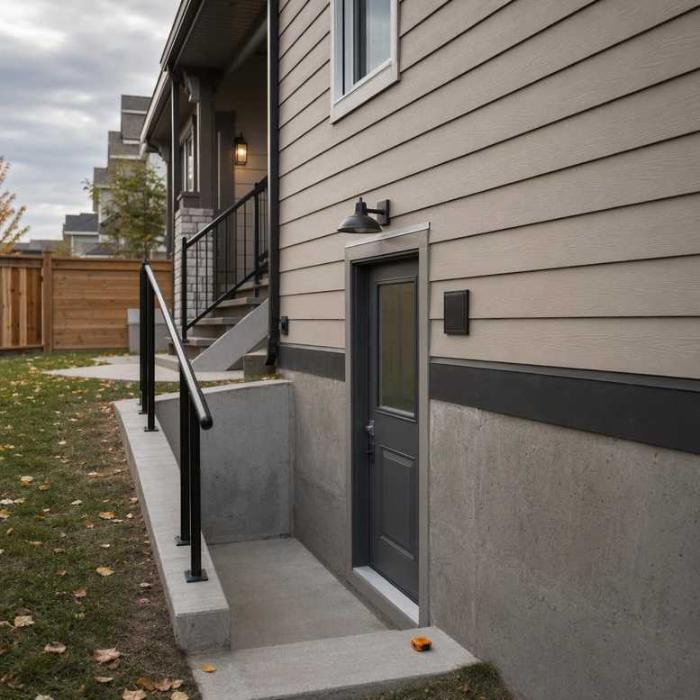
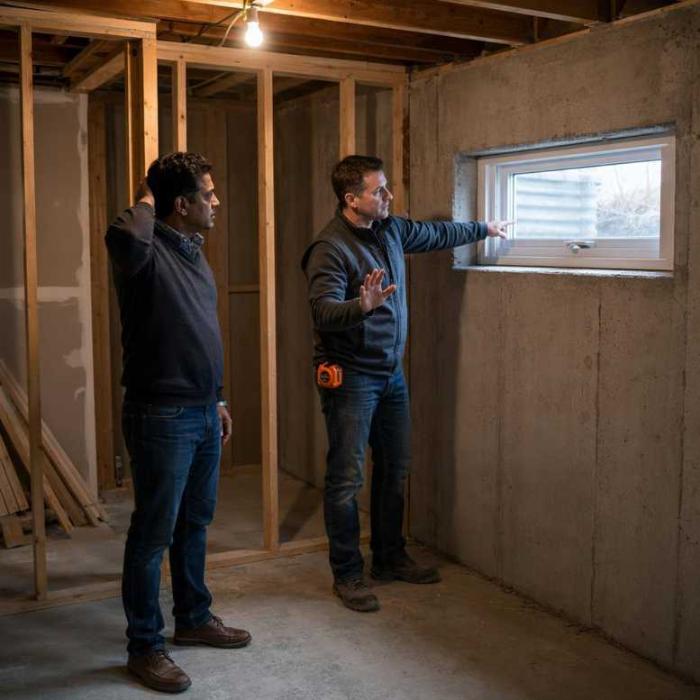
Depending on your home, getting there usually means a side or rear entrance for privacy, code-compliant egress windows in the bedrooms, an upgraded electrical panel and dedicated circuits, independent heating and ventilation, and proper fire separation between the two units. None of that is optional if you want the suite registered with the City of Calgary — and skipping any of it is exactly how "cheap" projects turn expensive later, once an inspector flags what's missing.

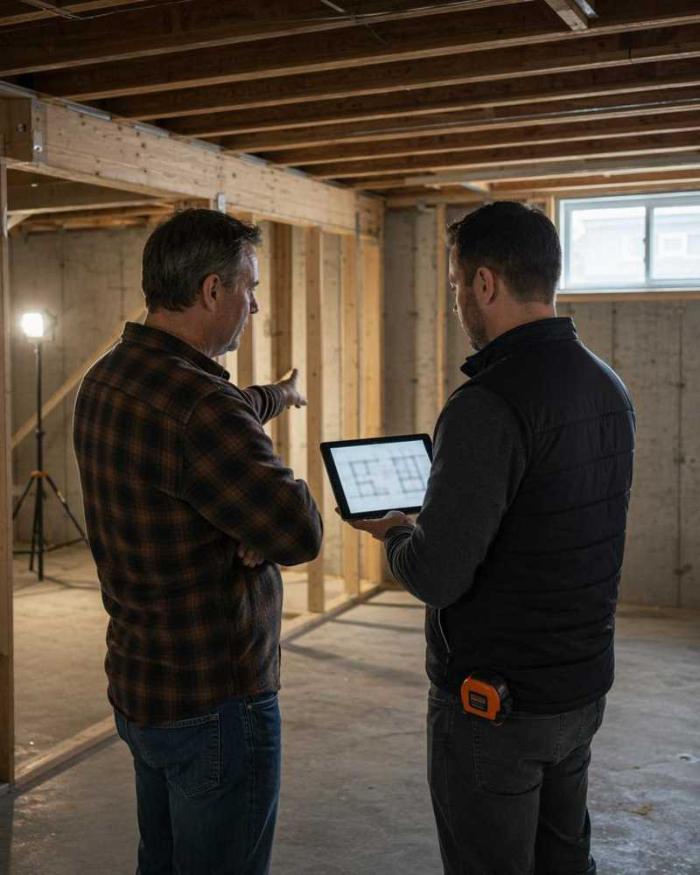
This is really the whole reason to bring in contractors who build legal suites for a living rather than a general renovation crew. Getting the layout, the mechanical systems, and the paperwork right the first time is what keeps a project on budget.

What Does a Legal Suite Actually Cost in Calgary Right Now?

This is the number everyone wants, and it does exist — it's just a range, not a flat price, because every basement starts from a different place.

Across Calgary contractors quoting in 2026, a fully legal basement suite typically lands somewhere between $60,000 and $110,000, with more complex builds — underpinning to raise ceiling height, a new side entrance from scratch, or high-end finishes — pushing past $130,000. On a per-square-foot basis, legal suites tend to run $70 to $95, noticeably more than a standard finished basement, mainly because of the kitchen, the separate entrance, and the licensed-trades work the code demands. 

A few things move that number more than finishes do:

  • whether your ceiling height already clears the 6'5" minimum, or whether the floor needs to be underpinned and lowered;
  • whether a separate entrance already exists, since adding one from scratch typically runs $8,000 to $18,000 on top of everything else; 
  • how much electrical and mechanical work is needed for an independent furnace, ductwork, and panel upgrade;
  • and honestly, just how finished you want the space to feel — builder-grade versus something you'd be comfortable showing a prospective tenant.
There's also a bit of good news on the city's end right now. Calgary's Secondary Suite Incentive Program reimburses up to $10,000 of an eligible legal suite build, with an additional $6,250 available for energy-efficiency and accessibility upgrades. On top of that, development permit and registry fees are being waived under the city's amnesty program through the end of 2026 — which matters if you're currently sitting on an unpermitted suite, since legalizing it before that deadline is considerably cheaper than legalizing it after.

What You Get Back: Rent, Resale, and the Math That Actually Matters

Rental Income

This is the part that gets a suite built in the first place. A one-bedroom legal suite in Calgary typically rents for $1,200 to $1,800 a month depending on the neighbourhood and finish level, and two-bedroom units can push higher still. For a lot of families, that cheque lands every month as a mortgage helper — it doesn't need to cover the whole payment to make a real difference to the household budget.

Resale Value

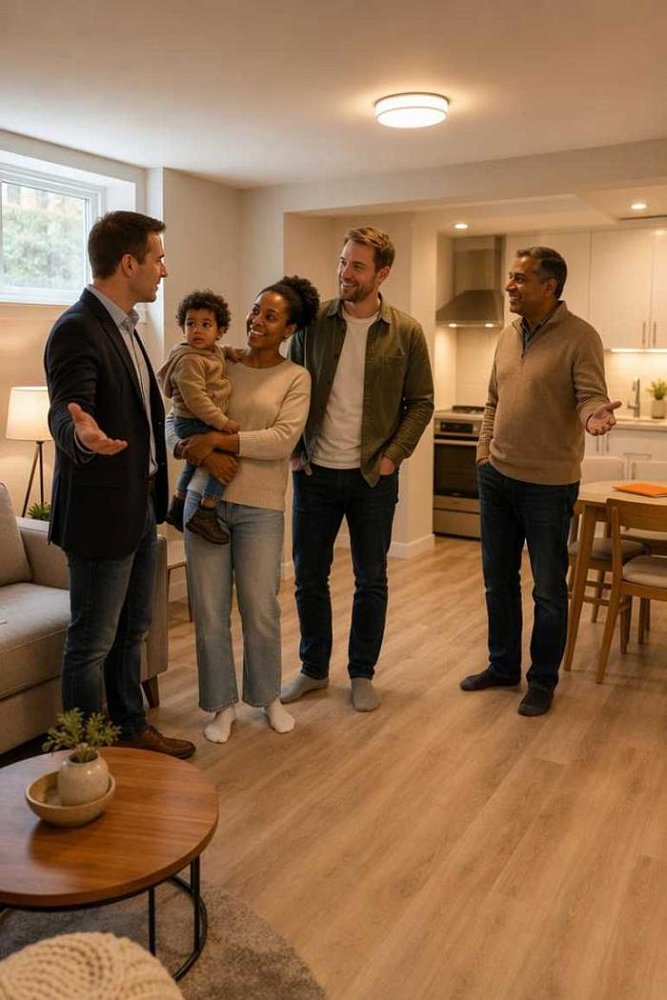
A legal suite also tends to widen your buyer pool when you eventually sell. Buyers see a registered secondary suite as flexibility — rental income for them, space for a parent or adult kid, or just a mortgage helper of their own. Some Calgary realtors put the resale bump at roughly 15 to 25 percent of home value, though that depends heavily on the quality of the build and whether it's properly documented with the city — an unpermitted "suite" doesn't carry the same weight at appraisal time.

Doing the ROI Math

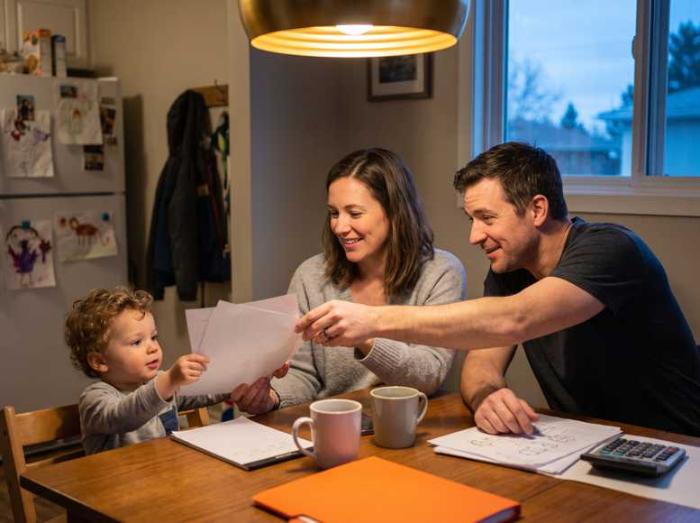
Take a fairly typical example: a $75,000 suite build, offset by the $10,000 SSIP grant, brings the real out-of-pocket cost down to around $65,000. At $1,500 a month in rent, that's roughly $18,000 a year before expenses — which puts payback somewhere in the five-to-seven-year range, depending on vacancy and maintenance costs along the way. After that, the suite is essentially generating income for as long as you own the house, on top of whatever it adds at resale.

That's the version of ROI worth using — not just "rent times twelve," but rent minus grants, minus vacancy, minus the maintenance a rental unit inevitably needs, against the actual construction cost.

Is It Actually Worth It for Your House?

For a lot of homeowners, yes — but it genuinely depends on the property and the plan. A suite tends to make sense when your basement layout can reasonably support a kitchen and separate entrance, when there's real rental demand in your area, and when you're planning to stay put for several years rather than flipping the house next spring.

It's fair to weigh the downsides too. Being a landlord takes time — screening tenants, handling maintenance calls, carrying landlord insurance. Some homeowners try it for a year and decide the extra income isn't worth giving up the privacy of having the whole house to themselves. There's no wrong answer here; it comes down to whether the goal is monthly cash flow, long-term equity, or just flexible space for family down the road.

Where Homeowners Lose Money on These Projects

The most expensive mistake is starting demolition before the permit and design are locked in. Changes requested mid-inspection — moving an egress window, adding fire separation you didn't budget for — cost far more than the same change on paper.

Chasing the lowest quote is the second one. A cut-rate build that skips proper soundproofing or ventilation might save five or ten thousand dollars up front, but it shows up later as a suite that's hard to rent or a tenant who moves out after four months. And a surprising number of homeowners treat the suite as an afterthought design-wise — poor lighting, no storage, an awkward kitchen — when the units that rent fastest and hold tenants longest are the ones that just feel like a good place to live.

This is where working with a contractor who specializes in legal suite development — rather than general basement renovation — tends to pay for itself, both in avoiding rework and in getting the SSIP paperwork right the first time.

Frequently Asked Questions

About Legal Suites in Calgary
Answers questions
Legal Suite Consultant
How much does it cost to build a legal suite in Calgary?
Most legal basement suites in Calgary run $60,000 to $110,000, with larger or more complex projects reaching $130,000 or more. The City's Secondary Suite Incentive Program can offset up to $10,000 of that, plus an extra $6,250 for energy or accessibility upgrades.
Does a legal suite increase home value?
Generally, yes. A properly permitted suite is documented income potential for the next buyer, and some Calgary realtors estimate it can add somewhere in the range of 15 to 25 percent to a home's value — though the actual bump depends on build quality and paperwork.
Do I need permits for a basement suite in Calgary?
Yes, without exception. A legal suite has to meet City of Calgary building, safety, and zoning requirements, and the registry process is what actually makes it "legal" rather than just finished.
How long does it take to build a legal suite?
Most projects run a few months from permit approval to final inspection, though timelines stretch if underpinning or a new side entrance is involved, or if permit review is backed up.
Can I rent out an unpermitted basement suite?
You can, but it's risky — unpermitted units can lead to fines, insurance denial if something goes wrong, and complications when you go to sell. Calgary's current amnesty program makes this a good year to legalize an existing suite rather than keep renting it quietly.
Can I rent out an unpermitted basement suite?
You can, but it's risky — unpermitted units can lead to fines, insurance denial if something goes wrong, and complications when you go to sell. Calgary's current amnesty program makes this a good year to legalize an existing suite rather than keep renting it quietly.
What do tenants actually look for in a suite?
Privacy tops the list, followed by a genuinely separate entrance, decent natural light, a real kitchen (not a hot plate and a mini-fridge), and finishes that don't feel like an afterthought.
Is it worth hiring a contractor who specializes in legal suites?
Usually, yes. A specialist knows the permit process, the mechanical code requirements, and how to sequence the SSIP paperwork — which tends to save more in avoided mistakes than it costs.

Bottom Line

A legal suite is one of the few home improvements that can pay for a meaningful chunk of itself while you still live there, and keep paying after that. The number that matters isn't the sticker price of construction — it's that price minus the city's incentive, against years of rent plus a resale bump most homeowners don't fully account for going in.

If you're weighing a legal suite for your Calgary home, it's worth getting an actual number for your specific basement rather than working off general ranges — reach out to Alberta Elite Construction for a walkthrough and a real quote.

+1 (587) 332-2255