The Complete Guide to Financing a Legal Suite in Alberta (2026 Update)
How to Finance a Legal Secondary Suite in Alberta: Grants, Loans, Rebates and Incentives Explained
Building a legal secondary suite is one of the few home renovations that can increase your property's value while generating monthly income. The biggest challenge for most homeowners isn't deciding whether a basement suite is worth it — it's figuring out how to pay for the project without putting unnecessary strain on their finances.

The good news is that homeowners in Calgary and across Alberta have several financing options available. Depending on your situation, you may qualify for municipal incentives, use the equity in your home, refinance your mortgage, or combine multiple funding sources to reduce your upfront costs.

This guide explains how each financing option works, who may qualify, what documents you'll likely need, and how to choose the approach that makes the most financial sense — including a few time-sensitive details about Calgary's incentive program that homeowners should know before they start planning.

Why Financing Matters More Than Most Homeowners Think

Many homeowners start planning a legal suite by asking a contractor one question: "How much will it cost?"

It's an important question, but often the wrong place to start. A better question is: "How much of the project can someone else help pay for?"

A well-planned financing strategy can significantly reduce the cash you need upfront, and it can improve your return on investment by lowering borrowing costs and taking advantage of available incentives. For many Calgary homeowners, rental income from a legal suite eventually covers a large portion of the financing costs — instead of paying for the renovation entirely out of pocket, they're using future rental income to help build long-term equity.

How Much Does a Legal Suite Cost in Calgary?

The total investment depends on the condition of your basement, the size of the space, and the work required to meet Alberta's building code. A simple conversion in a newer home may cost considerably less than renovating an older basement that needs structural modifications, upgraded plumbing, new electrical service, or a separate heating system.

Typical expenses include:

  • design and planning
  • development and building permits
  • architectural drawings
  • framing, insulation, and drywall
  • flooring
  • plumbing and electrical work
  • HVAC modifications (a legal suite needs independent heating/ventilation from the main house)
  • egress windows
  • fire separation and soundproofing
  • kitchen and bathroom construction
  • inspections and finishing work

For most homeowners in Calgary, a professionally built legal basement suite falls somewhere between $60,000 and $130,000, depending largely on whether the basement already has a separate entrance and adequate ceiling height, or needs underpinning and excavation to meet the minimum height requirement. Projects that need excavation or a new side entrance can run toward the top of that range or beyond it. It's worth getting a fixed-price quote rather than relying on a single average figure — the spread between contractors for the same basement can easily be $30,000–$40,000.

At first glance that's a substantial number. But financing options and rental income can significantly change the overall financial picture, as the rest of this guide shows.

The City of Calgary Secondary Suite Incentive Program (SSIP)

One of the most valuable resources available to Calgary homeowners is the Secondary Suite Incentive Program (SSIP). Unlike a loan, it provides eligible homeowners with funding that doesn't have to be repaid, provided program requirements are met.

Qualifying homeowners can receive up to $10,000 toward building a new legal secondary suite or legalizing an existing one that meets program requirements. The program is funded jointly through municipal and federal budgets (via the federal Housing Accelerator Fund) and was introduced to encourage more safe, code-compliant rental housing as Calgary's housing demand grows.

A time-sensitive note: funding for SSIP is limited, and as of mid-2026 new applications have moved to a waitlist because available funds have largely been committed — homeowners applying now may need to wait for additional funding to be released before their file is processed. On top of that, the federal funding stream behind the program is expected to reach capacity in the coming months. This doesn't mean the grant is gone, but it does mean the "apply and build" timeline is less predictable than it was in the program's first couple of years. Anyone planning around this incentive should check current intake status on the City of Calgary's website before finalizing a construction contract, and should have a financing plan that doesn't depend entirely on the grant coming through on a specific schedule.

What Is the Grant Intended to Cover?

A common misconception is that the City simply hands homeowners $10,000 for building a basement suite. That's not how it works. The incentive offsets eligible construction costs tied to creating a compliant legal suite — it reimburses approved expenses after specific conditions are met, rather than functioning as a cash bonus.

Eligible costs generally relate to bringing the suite into compliance with municipal requirements, such as:
  • code upgrades and safety improvements
  • permit-related work and inspections
  • qualified contractor labour
  • materials tied to approved improvements
Purely cosmetic work unrelated to creating a legal suite generally isn't eligible.

Who Can Apply?

Eligibility requirements can change as the program is updated, but applicants are typically expected to:
  • own the property, with the suite usually required to be at the owner's primary residence
  • apply for an eligible secondary suite
  • comply with City permitting requirements and complete required inspections
  • meet all applicable building codes
  • provide supporting documentation

Can Existing Basement Suites Qualify?

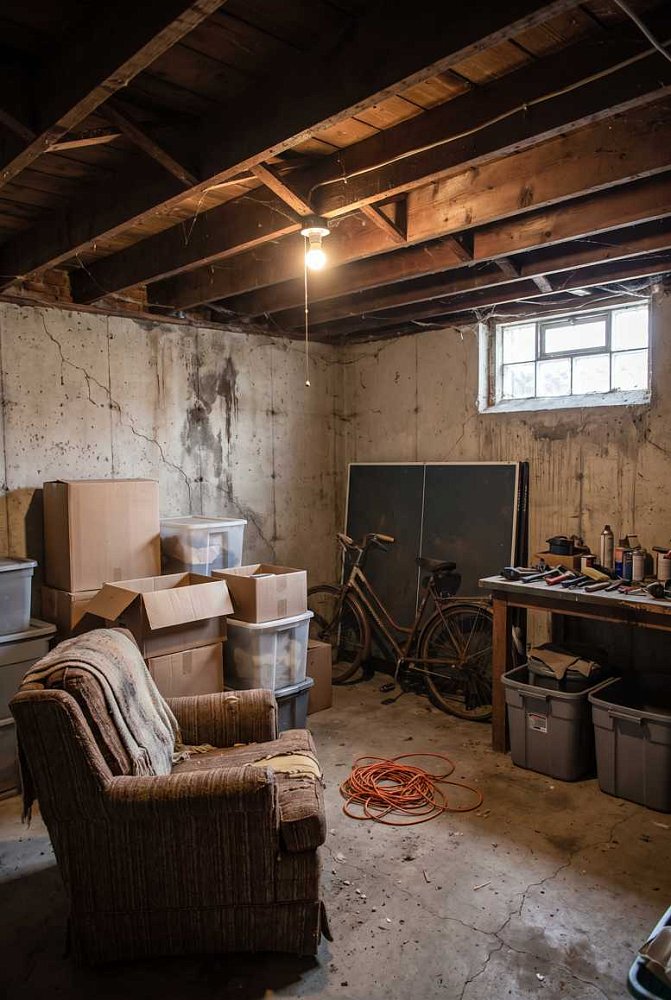
It depends on the condition of the suite. Many Calgary homes already have finished basements that have been rented for years without ever being developed as legal secondary suites. If the space can be upgraded to meet current code and all program conditions, the suite may qualify. Previous renovations, permit history, zoning, fire separation, ceiling height, window sizes, parking requirements, and life-safety upgrades all affect eligibility — the first step is determining whether your existing basement can realistically be converted into a fully compliant legal suite.

One related program worth knowing about: Calgary's Secondary Suites Amnesty Program waives development permit and registration fees for existing unpermitted or non-conforming suites built before March 2018, through December 31, 2026. Homeowners are still responsible for any required safety upgrades and trade work, but the regulatory cost of legalizing an older, already-built suite is significantly reduced while the amnesty is in effect. This can be used alongside the SSIP grant, and for anyone sitting on an unregistered basement suite, the combination of the two programs makes this a particularly good window to act in.

Permits Come First

It's tempting to start renovations immediately, especially if you're eager to start earning rental income. But most funding programs require the work to follow an approved permitting process — skipping permits or starting construction too early can affect your eligibility for financial incentives. An experienced legal suite contractor can help you understand which permits are required and how they fit into your financing timeline.

How the Incentive Program Actually Works

Receiving the grant is straightforward in principle but involves several steps, and understanding the process before construction begins saves both time and frustration.

Think of it as a partnership: the City wants more safe, code-compliant rental housing, and in return for building a suite that meets all requirements, eligible homeowners receive financial assistance once the project is completed according to program rules. The grant is not deducted from the construction cost upfront — in most cases you arrange financing, complete the work, pass inspections, and submit documentation before reimbursement is issued.

Step 1 — Confirm Your Property Is Eligible
 Confirm Your Property Is Eligible
Before spending money on drawings or permits, determine whether your property can legally accommodate a secondary suite. Zoning and land use designation, lot characteristics, parking requirements, basement ceiling height, emergency egress windows, fire separation requirements, and existing building conditions can all affect eligibility. A consultation with an experienced legal suite contractor early on is often the best money you'll spend, since it can help you avoid paying for plans on a project that needs a significant redesign.
Step 2 — Develop a Construction Plan
Typically includes floor plans
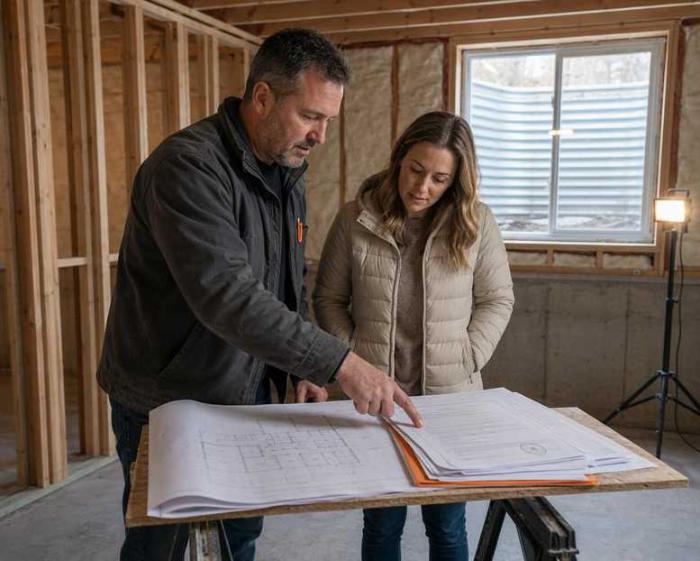
This typically includes floor plans, construction drawings, permit documentation, a project budget, a construction timeline, and contractor quotations. The more organized the project from the start, the smoother both permitting and financing tend to go.
Step 3 — Apply for Required Permits
Apply for Required Permits
Depending on the project, this may involve a Development Permit (when required), plus Building, Electrical, Plumbing, Gas, and HVAC permits. Many homeowners are surprised by how many separate permits are involved; the exact combination depends on the home's existing condition and the scope of work.
Step 4 — Complete Construction
Complete Construction
Construction should follow the approved permit drawings. Inspectors typically visit several times — for framing, insulation, plumbing, electrical, mechanical systems, and a final occupancy inspection. Skipping inspections or making unauthorized changes can delay completion and may affect eligibility for the incentive.
Step 5 — Submit Your Documentation
Submit Your Documentation
After construction and all inspections are complete, homeowners submit documentation supporting their application. This is where good record-keeping matters most.

What Documents Are Usually Required?

Documentation requirements can be updated periodically, but homeowners should generally expect to provide:
  • Proof of ownership — confirming you own the property where the suite is being developed
  • Permit information — copies of approved permits showing construction followed the correct approval process
  • Inspection records — final inspection approvals showing the suite meets applicable safety and building requirements
  • Contractor invoices — clearly describing the work completed
  • Proof of payment — cancelled cheques, bank statements, credit card receipts, or electronic payment confirmations
  • Photos — progress and completion photos, depending on program requirements
Keeping organized digital copies throughout the project is far easier than gathering paperwork afterward.

Which Expenses Are Eligible — and Which Aren't

Programs generally focus on costs directly tied to creating a legal secondary suite: framing, insulation, drywall, plumbing and electrical work, licensed HVAC work, fire-rated assemblies, smoke and carbon monoxide detectors, code-compliant windows, permit fees, and contractor labour tied to the suite.

What's usually not covered: luxury furniture, televisions, decorative artwork, portable appliances, landscaping, unrelated home renovations, swimming pools, hot tubs, and cosmetic upgrades outside the approved scope. If you're unsure whether an expense qualifies, ask before construction begins rather than after the work is finished.

Common Reasons Applications Are Delayed or Rejected

Most unsuccessful applications don't fail because the homeowner was ineligible — they fail because of missing documentation or misunderstandings about the process:
  • Starting construction too early, before obtaining required approvals — this can force homeowners to redo work so inspections can be completed properly
  • Missing receipts — small receipts seem unimportant during construction but are difficult to replace months later; a dedicated digital folder for invoices from day one solves this
  • Unapproved changes during construction — relocating fixtures or modifying structural elements without updating approved plans can delay inspections and add cost
  • Using unqualified contractors — electrical and gas work generally require licensed professionals; unqualified trades create safety concerns and complicate reimbursement
  • Waiting too long to apply — with funding limited and intake currently on a waitlist, submitting documentation promptly after project completion matters more than ever

Financing Options Beyond the Calgary Grant

The SSIP grant rarely covers the entire project — for most homeowners it's one piece of the financing puzzle. The remaining cost is typically covered using one or more of:
  • Home Equity Line of Credit (HELOC)
  • mortgage refinancing
  • construction financing
  • personal savings
  • conventional loans
  • future rental income

The right mix depends on your financial situation, the equity in your home, your income, and how quickly you want the project done.

Home Equity Line of Credit (HELOC)

For homeowners who've built up equity over several years, a HELOC is often the most flexible option. Unlike a traditional loan, it works as a revolving line of credit secured against your home — you withdraw money as construction progresses, and you only pay interest on what you've actually borrowed. If construction takes several months, you're not paying interest on money you haven't yet spent, and if unexpected costs come up, additional funds may already be available without a separate loan application.

A HELOC tends to make sense if you've owned your home for several years, your mortgage balance has decreased, your home's value has increased, and you have sufficient equity available. The main advantage is flexibility; the main drawback is that rates are often variable, so payments can rise if interest rates increase.

Mortgage Refinancing

Refinancing replaces your existing mortgage with a new one that includes additional funds for construction. For larger projects this can mean lower interest rates than unsecured borrowing, and it simplifies budgeting since the renovation cost becomes part of a single mortgage payment. It isn't always the right move, though — if your current mortgage has an especially low rate, replacing it could increase your overall borrowing cost. Comparing the total long-term cost with a mortgage broker before refinancing is worth the time.

Construction Loans

Construction financing releases funds in stages as the project progresses — for example, after framing, after mechanical systems are installed, after drywall, and after final inspections. This protects both lender and homeowner by tying disbursements to actual progress, and it's especially useful for larger projects where the basement needs extensive structural work.

Personal Savings

Many homeowners fund at least part of the project themselves. Paying cash reduces interest costs and improves overall return on investment — even homeowners using a HELOC or refinance often contribute some savings to reduce their monthly borrowing costs after construction is complete.

Combining Multiple Sources

Most successful projects use more than one funding source. A typical combination might look like:

  • $10,000 City incentive
  • $25,000 personal savings
  • $60,000 HELOC

This keeps borrowing lower while still letting construction proceed without delay. The best strategy depends on your individual goals rather than a one-size-fits-all formula.

What About CMHC?

Many homeowners have heard that the Canada Mortgage and Housing Corporation (CMHC) supports secondary suites — that's true, but CMHC doesn't typically hand homeowners a cheque for a basement suite. Instead, it supports housing initiatives through mortgage insurance, financing programs, research, and lender partnerships. Federal programs evolve, and in recent years both the federal government and CMHC have introduced initiatives aimed at encouraging secondary suite construction as part of Canada's broader housing strategy. Some target homeowners directly; others are aimed at lenders or municipalities. It's worth checking current CMHC resources or speaking with a mortgage professional to see what applies to your project.

Which Option Is Best?

There's no single answer — it depends on your circumstances:

  • Owned your home for many years? A HELOC often provides the most flexibility.
  • Already renewing your mortgage? Refinancing may offer the lowest overall borrowing cost.
  • Planning extensive structural work? Construction financing may fit best.
  • Have significant savings? Using your own funds can meaningfully improve long-term profitability.
  • Eligible for the City incentive? Treat the grant as part of your financing mix rather than your only source of funding — and confirm current intake status given the waitlist noted above.

Financing Examples

Sarah — the HELOC strategy. Sarah owns a detached home in northwest Calgary. Estimated construction cost: $90,000, funded through a $10,000 City incentive and an $80,000 HELOC. The suite rents for roughly $1,750/month once complete, and rather than waiting years to save the full amount, she starts generating income almost immediately while the property appreciates.

David and Michelle — combining savings with financing. Having paid off a large portion of their mortgage, they finance the project with $45,000 in personal savings, a $10,000 City incentive, and a $35,000 HELOC. Borrowing less keeps their monthly financing costs low, leaving more of the rental income available for household cash flow.

Jason — mortgage refinancing. Jason bought his home eight years ago, and property values in his neighbourhood have risen significantly. Rather than take out a separate loan, he refinances his mortgage to include an additional $85,000 for construction. His mortgage payment increases, but rental income from the completed suite offsets much of that added cost — a predictable approach for homeowners planning to stay in their property long-term.

Is Building a Legal Suite Worth the Investment?

The answer depends on more than construction cost — it also depends on how long you plan to stay in your home, local rental demand, financing costs, and the quality of the finished suite. For many Calgary homeowners, a legal secondary suite is one of the few renovations that can begin generating income almost immediately after completion. Unlike a new kitchen or bathroom, which mainly improves resale value, a legal suite can provide monthly cash flow and increase the property's overall value.

Understanding the Return

Monthly rental income is the most direct benefit, and depending on location, size, and finishes, it can help offset mortgage payments, HELOC payments, property taxes, insurance, and maintenance.

Increased property value follows because homes with professionally built legal suites appeal to a wider pool of buyers — some looking for mortgage support through rental income, others wanting flexible space for parents, adult children, or extended family.

Long-term equity growth builds with every mortgage payment, and when rental income contributes to those payments, tenants are effectively helping build the homeowner's long-term wealth — one reason real estate investors treat secondary suites as income-producing assets rather than simple renovations.

Hidden Costs to Plan For

Construction budgets usually focus on the obvious line items, but homeowners should also plan for:

  • utility and electrical service upgrades
  • landscaping repairs after construction
  • temporary storage during renovations
  • insurance adjustments
  • legal registration fees where applicable
  • a contingency fund for unexpected conditions

A contingency reserve of roughly 10–15% of the construction budget is commonly recommended, particularly in older homes where issues may only surface once demolition begins.

A Financing Checklist Before You Begin

  • Confirm your property can legally accommodate a secondary suite
  • Speak with an experienced legal suite contractor
  • Get preliminary construction estimates
  • Check current SSIP intake status and requirements directly with the City of Calgary
  • Discuss financing options with your bank or mortgage broker
  • Compare HELOC, refinancing, and construction loan costs
  • Gather documents related to property ownership
  • Build a realistic construction budget with a contingency allowance
  • Plan for inspection timelines
  • Keep digital copies of every receipt and invoice from day one

Why Working With an Experienced Legal Suite Builder Matters

Financing is only one part of the process. A contractor experienced in legal suite development understands Calgary permitting requirements, the Alberta Building Code, fire separation and egress window regulations, HVAC modifications, inspection procedures, and construction sequencing — and, most importantly, how all of it fits together. Mistakes made during planning can be expensive to fix once construction is underway, so choosing a contractor who regularly builds legal secondary suites reduces the risk of delays, failed inspections, and unexpected costs.

If you're considering adding a rental suite to your home, Alberta Elite Construction can guide you through the process — from planning and permits to construction and final inspections — helping ensure your investment is built to current standards and designed for long-term value.

Frequently Asked Questions

Answers questions
Legal Suite Consultant
Can I apply for the Calgary Secondary Suite Incentive after construction has started?
It depends on the program requirements in effect at the time you apply. Some funding programs require approval before construction begins, while others may allow applications during specific stages. Always confirm current rules before signing construction contracts or starting work — especially now that new applications are on a waitlist.
Does every basement qualify for a legal secondary suite?
No. Zoning, ceiling height, emergency egress windows, parking requirements, structural conditions, and compliance with current building codes all affect whether a basement can be converted into a legal suite.
Can I combine the City incentive with a HELOC?
In many cases, yes. Homeowners often use the City incentive to reduce the total amount they need to borrow while financing the remaining cost through a HELOC.
Will rental income help me qualify for financing?
Some lenders consider projected rental income when assessing mortgage applications or refinancing requests. Lending policies vary, so discuss your plans with a mortgage professional before choosing a financing option.
What happens if the City's funding is fully allocated?
As of mid-2026, this is already the case for new applicants — the program operates with limited funding, and new applications are being placed on a waitlist rather than processed immediately. Checking current program availability early in your planning is essential, and it's worth having a financing plan that doesn't depend entirely on the grant.
Can I build a secondary suite myself?
Homeowners can complete some work themselves if permitted under applicable regulations, but electrical, gas, and much of the plumbing work typically require qualified professionals and must pass municipal inspections.
How long does it usually take to complete a legal suite?
Every project differs. Depending on permitting, design complexity, inspections, and construction scheduling, many legal suite projects take several months from initial planning to final approval.
Is a legal suite a good long-term investment?
For many homeowners, yes. A professionally designed legal suite can generate rental income, increase property value, provide flexible living space, and improve long-term financial stability — though as with any investment, success depends on careful planning, quality construction, and understanding local market conditions.

Final Thoughts

Building a legal secondary suite is a significant investment, but it's also one of the few renovations that can improve both your lifestyle and your financial future. Calgary's Secondary Suite Incentive Program can reduce upfront costs for eligible homeowners — though current funding limits and waitlist status mean it should be treated as one part of a broader plan, not a guaranteed starting point — while financing options like a HELOC, mortgage refinancing, or construction loan make the project accessible for more families.

The key is to start with a realistic budget, understand the funding options actually available to you right now, and work with professionals familiar with Calgary's permitting process and Alberta's building requirements.

Name
Email
Phone
Name
Phone
E-mail
Message
See our Privacy Policy for more details. I have read and agree to the privacy policy.
Thanks! Your application has been submitted
+1 (587) 332-2255