
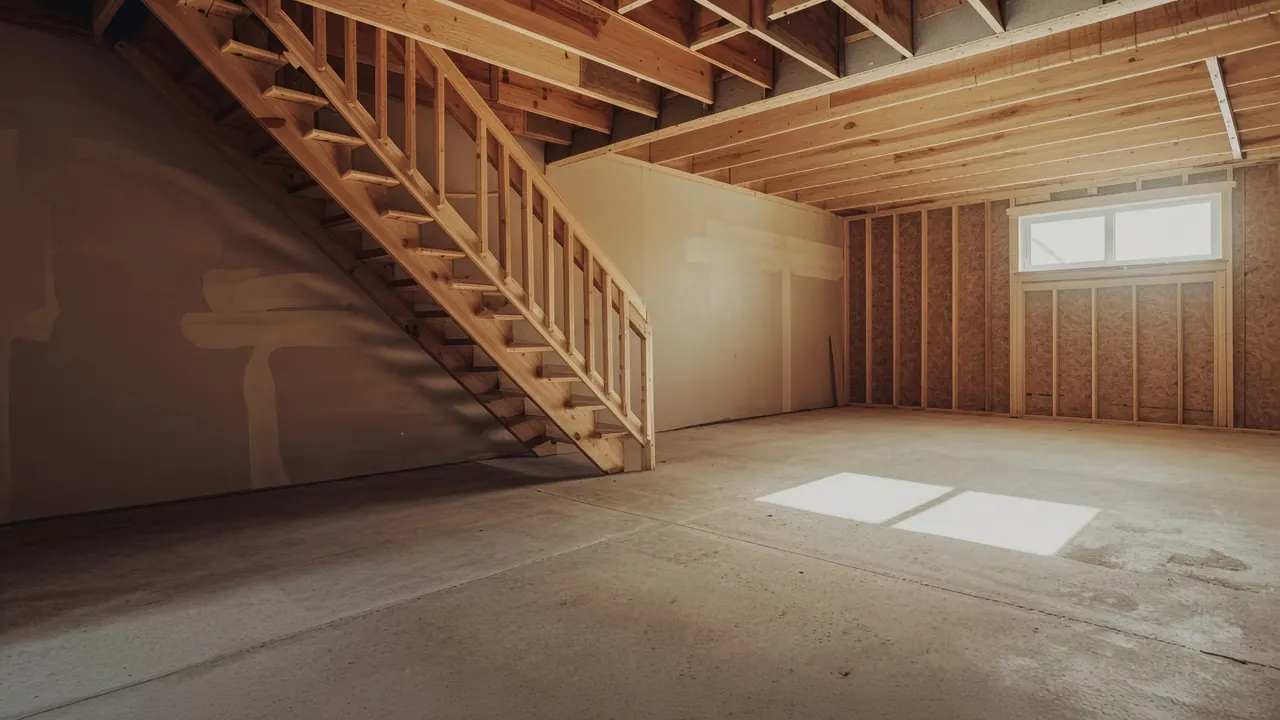
Basement Development
Navigating Secondary Suite Zoning Laws in Calgary Neighbourhoods
May 16, 2026
Get a quote →Adding a secondary suite sounds fairly simple when you first look into it. A separate entrance, a kitchen, maybe a rental unit downstairs to help offset the mortgage. In reality, though, Calgary secondary suite regulations can get complicated faster than most homeowners expect.
A lot of people buy a Calgary home assuming they can build a basement suite later, only to discover zoning restrictions, permit requirements, parking rules, or inspection issues after the renovation has already started. That is usually where delays, extra costs, and legal headaches begin.
The good news is that 2026 is actually a good time to move on this. Legal secondary suites have broader acceptance in Calgary than they have ever had, and the City's Secondary Suites Amnesty Program - extended until December 31, 2026 - waives development permit and registry fees, making legalization more affordable. On top of that, the City currently offers up to $10,000 in incentives for eligible new secondary suites. Still, zoning rules vary from one neighbourhood to another, and no two properties are exactly the same.
The first thing homeowners should know is there is a significant difference between finishing a basement and creating a legal suite. Once a space is intended to function as a separate dwelling unit, the rules change considerably.
What Counts as a Secondary Suite in Calgary?
Under Calgary land use bylaws, a secondary suite is a self-contained living space located within or attached to a primary residence. Most of the time people are talking about basement suites, but secondary suites can also include suites above garages, side-entry attached suites, garden suites in certain districts, and portions of existing homes converted into rental spaces.
A legal basement suite Calgary homeowners can actually rent out typically needs a separate kitchen, a bathroom, sleeping space, proper egress windows, interconnected smoke and carbon monoxide alarms, safe heating and ventilation, compliant ceiling heights, and proper fire separation between units. And of course, permits. That is the part many people underestimate.
Why Zoning Matters Before Any Construction Starts
One of the biggest mistakes homeowners make is hiring trades or starting demolition before checking zoning. Secondary suite zoning Calgary rules depend heavily on the property's land use district. Some neighbourhoods are more flexible. Others have additional restrictions tied to lot size, parking access, or development overlays.
In practical terms, two houses on neighbouring streets may have completely different approval paths. A homeowner might assume: "My neighbour has a basement suite, so I can build one too." Not necessarily. Their suite may have been grandfathered years ago, approved under previous bylaws, or legalized through a completely different process. That is why experienced contractors usually start with zoning verification before discussing layouts or finishes.
Calgary Zoning in 2026 - What Homeowners Need to Know Right Now
This is genuinely one of the most important things to understand if you are planning a secondary suite project in 2026, and it is something a lot of homeowners are not yet aware of.
In 2024, Calgary City Council approved blanket citywide rezoning, which made it much easier to add secondary suites across most of the city. However, on April 8, 2026, Council voted to repeal that blanket rezoning. The repeal does not take legal effect until August 4, 2026, which means applications submitted before that date are still processed under the more permissive 2024 rules. After August 4, most properties revert to their pre-2024 zoning designations.
Importantly, Council also directed the City to make secondary suites and backyard suites permitted uses in all low-density residential districts going forward - those changes are expected to come before a public hearing in July 2026. So the situation is actively evolving.
What does this mean practically? If you are thinking about a secondary suite project, the timing of your permit application matters more than usual right now. A contractor who is current on these changes can help you understand which rules apply to your specific property and timeline.
Common Calgary Zoning Districts That Affect Secondary Suites
Some of the more frequently encountered zoning categories come up in secondary suite conversations regularly.
R-CG (Residential - Grade-Oriented Infill)
R-CG is currently the base residential zoning across developed Calgary communities following the 2024 rezoning. Properties in these districts generally have a more straightforward path for secondary suite approvals. After August 4, 2026, most properties will revert to their previous designations, but R-CG will still apply to a significant portion of developed communities.
R-C1 and R-C1N
These districts focus on single detached homes. Secondary suites are possible, but approvals can involve more conditions depending on the property. Parking and side entrance placement often become major considerations. After August 2026, many properties currently under blanket R-CG zoning will revert back to R-C1 or R-C1N, so checking your specific address matters a great deal right now.
R-C2 and R-C2N
These districts typically allow more flexibility for suites and semi-detached configurations. Even so, homeowners still need proper permits and inspections. Zoning alone never replaces code compliance - that is an important point many people miss.
R-CG (Residential - Grade-Oriented Infill)
R-C1 and R-C1N
R-C2 and R-C2N
Why Older Calgary Neighbourhoods Can Be More Complicated
Older communities in Calgary often attract homeowners interested in basement development because the lots are larger and the homes have strong rental potential. But older neighbourhoods can also create extra complications.
Outdated electrical systems are common. Lower basement ceiling heights can be a deal-breaker. Insufficient window sizes, older foundations, limited parking access, and non-compliant stair geometry all show up regularly. In some cases, homeowners discover their planned suite cannot meet current Alberta building code requirements without major structural work, and that can dramatically change the renovation budget.
Neighbourhoods like Brentwood, Bowness, Montgomery, Crescent Heights, and parts of Glenbrook all have strong secondary suite demand, but each area can present unique permit and zoning challenges that are not obvious from the outside.
Development Permits vs. Building Permits - They Are Not the Same Thing
A lot of people use the word "permit" as if it is just one thing. Calgary development permit secondary suite projects may actually involve several different approvals, and understanding the difference helps avoid confusion.
A development permit focuses on land use and zoning compliance. The City reviews things like parking, property setbacks, neighbourhood compatibility, entrances, and site layout. Not every suite requires one, but many do - and right now, the Amnesty Program has waived the development permit fee entirely, so there is real financial incentive to do things properly.
A building permit deals with safety and code compliance. Inspectors review framing, plumbing, HVAC, electrical systems, fire separation, ventilation, and exits. Beyond those, separate electrical, plumbing, gas, and mechanical permits are often required. A basement can look beautiful and still fail inspections if fire separation or ceiling height requirements are not met.
Why Illegal Suites Create Bigger Problems Than Many Homeowners Expect
Some homeowners consider skipping the permit process altogether. Usually the reasoning sounds something like this: "We are not changing much," or "It is just for family," or "We will legalize it later." The problem is that illegal suites can create serious issues down the road.
Insurance complications come up frequently. Problems during resale are common. City enforcement complaints can be triggered by neighbours. Beyond the legal side, unsafe living conditions are a real concern - fire separation and egress windows exist for a reason. Legalizing an already-finished basement suite often costs significantly more than doing things properly from the beginning, because walls need to be opened again, electrical work may need replacement, and ceiling assemblies sometimes need reconstruction to meet fire code.
That is why professional contractors typically recommend approaching the project as a legal suite from day one.
How to Legalize a Basement Suite in Calgary
Homeowners searching "how to legalize a basement suite Calgary" are usually dealing with one of two situations: converting an unfinished basement into a new legal suite, or bringing an existing unpermitted suite into compliance.
The process generally starts with a zoning and feasibility review. After that, contractors and designers evaluate ceiling heights, window sizes, structural layout, mechanical systems, plumbing access, electrical capacity, and fire safety requirements.
Some homes adapt fairly easily. Others need substantial upgrades. The first thing experienced builders usually do is identify potential deal-breakers early, before renovation costs start piling up.
Worth noting: the Secondary Suites Amnesty Program - running until December 31, 2026 - waives development permit and registry fees specifically to make this kind of legalization more accessible. If your suite was built without proper permits, this program is worth understanding before you start.
Parking Requirements Often Surprise Homeowners
Parking rules are one of the most common sticking points in secondary suite permit Calgary applications. Depending on zoning and neighbourhood context, the City may require additional off-street parking for the secondary suite. That sounds simple until homeowners realize rear lane access may be limited, garages already occupy the available space, landscaping may need modification, or older lots simply may not accommodate modern parking layouts.
This is where professional planning can save a lot of frustration before permit submissions even begin. One note: a 2025 Land Use Bylaw amendment clarified there is no requirement for a greater rear setback when the required parking for a suite is provided on a front driveway, which actually simplifies things for some properties.
Basement Development Is About More Than Finishes
People naturally focus on visible design elements - flooring, cabinets, lighting, paint colours. But legal suite construction is really driven by what is behind the walls. Fire separation assemblies, ventilation balancing, soundproofing, and electrical planning all matter far more than many homeowners realize.
Improper HVAC design can create airflow and heating issues between units. Poor sound isolation can become a real quality-of-life problem for both tenants and homeowners. And if inspections uncover deficiencies after drywall installation, repairs become significantly more expensive. That is one reason experienced legal suite contractors approach projects differently than general basement finishing companies.
Secondary Suites Can Add Real Long-Term Value
Despite the complexity, properly built legal suites can significantly improve property value and financial flexibility. In Calgary's housing market, many buyers actively look for homes with income potential. A legal suite can offset mortgage costs, generate long-term rental income, increase resale appeal, support multigenerational living, and improve overall property versatility.
That said, poorly planned or non-compliant suites can have the opposite effect. Buyers, appraisers, and insurers increasingly pay attention to permit history and legal status - especially as tools like the City's online Secondary Suite Registry at secondarysuites.calgary.ca make it easy to verify whether a suite is registered.
Working With Professionals Usually Saves Money in the Long Run
At first glance, hiring experienced contractors, designers, and permit specialists may seem more expensive. But DIY approaches often create hidden costs homeowners do not anticipate. Permit resubmissions, failed inspections, rework after code violations, improper fire separation, drainage issues, HVAC deficiencies, and electrical overload problems all happen more often when the process is managed without proper experience.
Calgary secondary suite regulations are also actively changing right now, as discussed earlier. Contractors who regularly work on legal suite projects stay current on permit expectations, inspection requirements, and zoning developments. That knowledge alone can prevent costly mistakes.
A company experienced with Calgary basement suite laws typically understands zoning review procedures, permit documentation, inspection sequencing, Alberta code compliance, fire separation requirements, and mechanical design coordination. Homeowners should always ask contractors about previous legal suite projects and their familiarity with Calgary's current approval processes. A beautiful renovation means very little if the suite cannot legally operate afterward.
FAQ - Secondary Suite Zoning Laws in Calgary
Do I need a permit for a secondary suite in Calgary?
Yes, in most cases. A legal secondary suite requires at minimum a building permit, and depending on your zoning district and the nature of the work, you may also need a development permit, electrical permit, plumbing permit, gas permit, and mechanical permit. The good news is that under the Amnesty Program - extended to December 31, 2026 - development permit and registry fees are currently waived, so now is actually a cost-effective time to do this properly.
Can I build a basement suite in any Calgary neighbourhood?
Not without checking first. Calgary secondary suite zoning rules vary between land use districts, and the situation is changing in 2026. Most of the city is currently under the more permissive 2024 blanket rezoning rules, but the repeal takes effect on August 4, 2026, at which point properties return to their pre-2024 designations. Some properties may face restrictions related to parking, lot configuration, or development overlays. Always verify your specific address with the City or with an experienced contractor.
What is the difference between a legal and illegal basement suite?
A legal suite has gone through proper permits, inspections, and code compliance approval. An illegal suite may look perfectly fine but lacks the documentation and safety verification that protects both the homeowner and tenants. Illegal suites can create insurance problems, complicate resales, and in some cases require partial demolition to bring into compliance. An illegal suite is not necessarily a poorly built one - sometimes permits were simply never pulled years ago - but the consequences of leaving it unpermitted can be significant.
How long does secondary suite approval usually take?
The City estimates roughly 60 days for development permit review on secondary suite applications. Building permit review has typically averaged around 12 to 27 days depending on project complexity. Real timelines can vary depending on how complete your submission package is, whether revisions are requested, and how complex the property situation is. Older homes especially tend to reveal hidden issues once construction begins - asbestos, outdated wiring, low ceilings - which can add time and budget.
Can I legalize an existing basement suite?
Often yes, and it is worth exploring while the Amnesty Program is still running. Whether it is straightforward or not depends on the current condition of the suite and whether the property can meet modern code requirements. Some upgrades are commonly needed - proper egress windows, fire separation improvements, hardwired smoke and carbon monoxide detectors, smoke-tight barriers on shared stairways, and sometimes electrical panel work. Some corrections are relatively minor. Others require more substantial work. A professional assessment early on helps you understand what you are actually dealing with before money is spent.
Do secondary suites increase home value in Calgary?
Generally yes, when the suite is fully permitted and professionally constructed. Buyers increasingly see legal suites as valuable mortgage-offset opportunities, and investors specifically seek out homes with compliant rental potential. The City's Secondary Suite Registry also makes it easy for buyers to verify whether a suite is actually legal, so unpermitted suites are becoming harder to pass off during real estate transactions. A legal suite that is well-built adds genuine, verifiable value. An illegal one can actually complicate a sale.
What are the most common reasons permit applications get delayed?
Incomplete drawings are probably the biggest one. Missing structural information, unclear layouts, or inadequate documentation of fire separation and mechanical systems all trigger revision requests. Parking issues come up a lot in older neighbourhoods. Zoning conflicts, insufficient ceiling heights, and window sizing that does not meet egress requirements are also common. The simplest way to avoid delays is to work with someone who has submitted Calgary secondary suite permit packages before and knows what reviewers are looking for.
Is it worth hiring professionals for a legal suite project?
For most homeowners, absolutely. Legal suites involve zoning review, multiple permit types, fire code requirements, coordinating several trades, and navigating an approval process that has been changing quite a bit in Calgary recently. Professional planning typically prevents expensive mistakes - rework after failed inspections, improper fire separation that needs to be redone after drywall, drainage problems, and electrical deficiencies are all significantly more costly to fix after the fact than to prevent. And with the Amnesty Program available until the end of 2026, this year is a particularly good time to invest in getting it done right.
Final Thoughts
Secondary suites remain one of the most practical ways Calgary homeowners can add flexibility and long-term value to their properties. But the process involves far more than simply renovating a basement. Zoning rules, permits, inspections, building codes, and neighbourhood-specific requirements all play a role in whether a project moves smoothly or turns into a costly problem.
In 2026 specifically, the regulatory landscape is shifting in ways that directly affect project timelines and approval paths. That is genuinely not the kind of thing homeowners should be navigating on their own.
The right professional team can identify issues early, guide homeowners through the permit process, coordinate compliant construction, and help avoid the setbacks that commonly happen when projects are approached without proper experience. For anyone considering
legal basement suite development in Calgary, taking the time to plan properly from the beginning - and doing it with someone who knows the current rules - almost always leads to a better outcome.

Get in touch
Request a free consultation
Contact Alberta Elite Construction today for a clear written quote and dependable workmanship.
Contact us now Call (587) 332-2255