
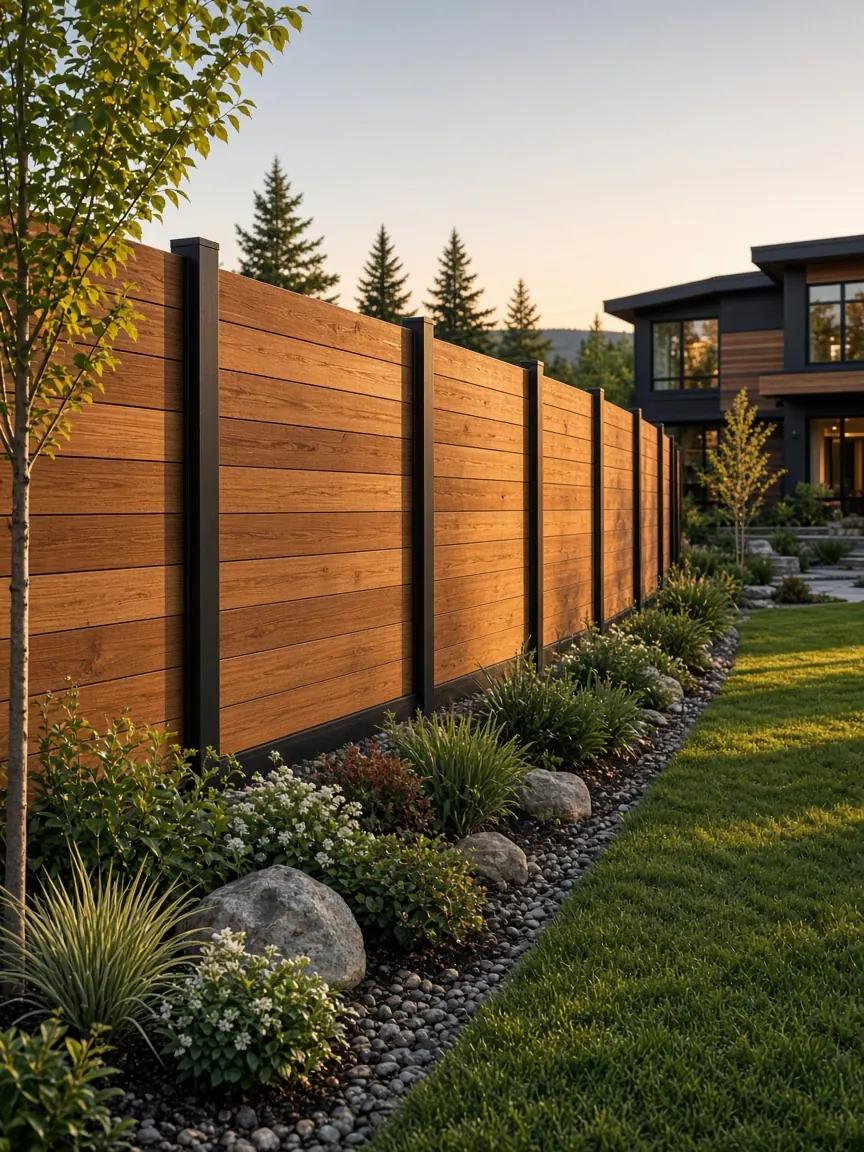
Fence Installation
Calgary Fence Bylaws: Height Restrictions for Front and Back Yards
June 26, 2026
Get a quote →Putting up a new fence seems straightforward until questions about height limits and local rules start coming up. In Calgary, fence bylaws affect almost every residential property, and many homeowners only discover the restrictions after construction has already begun.
Whether you're replacing an old wood fence, adding privacy to your backyard, or improving curb appeal in the front yard, understanding Calgary fence regulations can save time, money, and a few uncomfortable conversations with neighbours.
Why Calgary Has Fence Height Regulations
Fence bylaws exist for practical reasons. The City of Calgary uses the
Land Use Bylaw 1P2007
to maintain safe sightlines for drivers and pedestrians, protect visibility at intersections, and keep residential neighbourhoods liveable for everyone.
Backyard fences are usually built for privacy, security, and defining property boundaries. Front yard fences, on the other hand, can affect visibility from streets and sidewalks, which is why the rules are often more restrictive.
A homeowner may have a perfectly good reason for wanting a taller front fence — but local regulations still apply regardless.
Front Yard Fence Height Restrictions
In most residential areas of Calgary, front yard fences are limited to approximately4 feet (1.2 metres).
This height allows homeowners to create a decorative boundary while maintaining clear sightlines toward streets, driveways, and sidewalks. Short ornamental fences, metal railings, and low wood fences are common choices that work well within this limit.
Many homeowners are surprised to learn that a 6-foot privacy fence that works perfectly in the backyard simply isn't permitted in the front yard under standard regulations.
If a property has unusual conditions or requires additional privacy, a
development permit
from the City of Calgary may be required before construction begins.
Front Yard Fence Height Restrictions
Backyard Fence Height Limits
fences in Calgary are commonly allowed up to
6.5 feet (2 metres)
.
This height provides meaningful privacy between neighbouring properties and helps contain children and pets. Most standard wood privacy fences and modern composite fences fall comfortably within these limits.
When replacing an older fence, homeowners often assume they can simply rebuild it to the same height. However, older fences may have been constructed under previous regulations or without permits — so checking current requirements against the Land Use Bylaw is always a good idea before work starts.
Backyard Fence Height Limits
Land Use Districts: Why Your Specific Zone Matters
It's worth noting that Calgary is divided into different
land use districts
— such as R-1, R-2, and M-C — and fence regulations can vary depending on which district your property falls under.
The height limits mentioned in this article reflect the most common residential scenarios, but your property may have specific conditions that apply. Before finalising any fence design, confirm the rules for your district directly on theCity of Calgary websiteat calgary.ca or speak with a development officer.
Special Rules for Corner Lots
Corner properties often come with additional restrictions that catch homeowners off guard.
A fence near an intersection can create visibility issues for drivers, cyclists, and pedestrians. The City of Calgary may require a lower fence height within thevisibility trianglenear the corner — even if the rest of your fence fully complies with standard height rules.
This situation comes up regularly. A homeowner may plan a 6-foot privacy fence around the entire yard, only to find that a section near the street must remain lower to meet sightline requirements.
Planning ahead helps avoid expensive modifications after the fence is already built.
Visibility Triangles Matter
The visibility triangle is a defined area near street intersections that must remain clear enough for safe sightlines. Trees, shrubs, decorative features, and fences can all affect visibility within this zone.
Even if the rest of the fence meets bylaw requirements, the corner section may still need adjustment — so it's worth confirming the exact dimensions of your visibility triangle before finalising your layout.
Visibility Triangles Matter
Sloped Properties: How Is Fence Height Measured?
If your property sits on a slope or an uneven grade, fence height measurement can get a little more complicated.
Generally, fence height is measured from thefinished gradeat the base of the fence. On a sloped lot, this means the effective height of the fence may vary along its length. Stepped fence panels are a common solution that keeps each section within the allowable height while following the natural slope of the yard.
If you're working with a challenging grade, it's worth discussing the specifics with your contractor before installation begins — and confirming the approach with the City if there's any uncertainty.
Do You Need a Permit?
Most standard residential fences in Calgary do
not
require a building permit when they comply with the Land Use Bylaw. However, a development permit or approval may be necessary in certain situations:
- Fences that exceed standard height limits
- Retaining walls combined with fencing
- Fences located near major roads or transit corridors
- Properties with special or overlapping zoning requirements
- Non-standard front yard designs requiring discretionary approval
When in doubt, check with the City of Calgary before construction begins. It's a straightforward step that can prevent costly corrections later.
Typical processing time
for a development permit in Calgary ranges from a few weeks to a couple of months depending on the complexity of the application — so factor this into your project timeline if approval is needed.
Property Lines and Shared Fences
Many Calgary fences sit on or near a shared property line. While the City regulates height and placement, the cost of a shared fence is typically a private agreement between neighbouring property owners.
Good communication goes a long way here.
One of the most common issues that comes up during fence installations is homeowners building slightly inside or outside a property line without confirming measurements first. A
property survey
or boundary confirmation can prevent disputes that are far more expensive to resolve after the fact.
What Does a New Fence Cost in Calgary?
Fence pricing in Calgary varies depending on materials, site conditions, and the length of the run. As a general guide:
- Standard 6-foot wood privacy fence:approximately$60–$95 CAD per linear foot, installed
- Composite or vinyl fencing:typically$60–$120 CAD per linear foot, installed
- Ornamental metal or aluminum fencing:often$80–$150 CAD per linear foot, installed
These are ballpark figures — your actual quote will depend on site access, ground conditions, any retaining elements, and finish details. Corner lot modifications or permit costs may also affect the final number.
Common Mistakes Homeowners Make
Several issues come up repeatedly during fence replacement and new installation projects in Calgary:
- Assuming old fences automatically comply with current regulations
- Using metres instead of checking feet-based permit documentation (both are used, which causes confusion)
- Building too close to sidewalks or roadways
- Overlooking corner lot and visibility triangle restrictions
- Failing to discuss plans with neighbours before construction begins
- Choosing materials and design before confirming local rules
These mistakes often lead to additional expenses, project delays, and occasionally a requirement to remove or modify completed work.
How a Professional Contractor Can Help
Experienced fence contractors deal with Calgary bylaws on a regular basis. Before construction begins, a knowledgeable installer can identify potential issues involving height limits, property lines, visibility requirements, sloped grades, and site-specific conditions.
For homeowners, this means fewer surprises and a smoother project from start to finish.
At
Alberta Elite Construction
, many fence projects begin with exactly these kinds of questions — about regulations, not just materials. Understanding local requirements before the first post goes in the ground is the most reliable way to avoid costly changes down the line.
Frequently Asked Questions
How high can a front yard fence be in Calgary?
In most residential areas, front yard fences are limited to approximately
4 feet (1.2 metres)
. Some situations may require a development permit for additional height.
What is the maximum backyard fence height in Calgary?
Most backyard fences can reach up to 6.5 feet (2 metres) under standard residential land use rules.
Do I need a permit for a fence in Calgary?
Standard residential fences that comply with the Land Use Bylaw generally do not require a building permit. However, certain situations — such as taller fences, retaining walls, or proximity to major roads — may require a development permit.
Does my land use district affect fence rules?
Yes. Calgary is divided into land use districts, and specific rules can vary. Always confirm requirements for your district at calgary.ca or with a City development officer.
Are corner lot fences treated differently?
Yes. Visibility triangle requirements may restrict fence height near intersections, even if the rest of the fence meets standard height limits.
How is fence height measured on a sloped lot?
Fence height is generally measured from finished grade at the base. On sloped properties, stepped panels are a common solution to keep each section within the allowable height.
Can neighbours share the cost of a fence?
Yes. Cost sharing is typically a private agreement between neighbouring property owners and is not governed by the City.
Can I build a privacy fence in my front yard?
Possibly, but height restrictions limit front yard fences to around 4 feet in most residential zones. A development permit may be required for anything taller.
What happens if my fence is too high?
The City of Calgary may require modifications or removal if the fence violates the Land Use Bylaw.
Can I replace an existing fence without a permit?
Many replacement projects can proceed without a permit, but current regulations should always be confirmed first — particularly if the original fence was built under older rules.
Final Thoughts
Calgary fence bylaws are not overly complicated, but they affect nearly every residential fence project — and the details matter. Understanding height restrictions for your specific yard and land use district before construction begins can prevent delays, redesigns, and unexpected expenses.
Whether you're replacing an aging fence or planning a brand-new installation, a few minutes spent confirming local requirements can save significant time and money down the road.
Ready to install a fence that meets Calgary bylaws?ContactAlberta Elite Constructionfor a free estimate. Our team is familiar with City of Calgary regulations and can guide you through the process from the first post to the final panel.

Get in touch
Request a free consultation
Contact Alberta Elite Construction today for a clear written quote and dependable workmanship.
Contact us now Call (587) 332-2255