
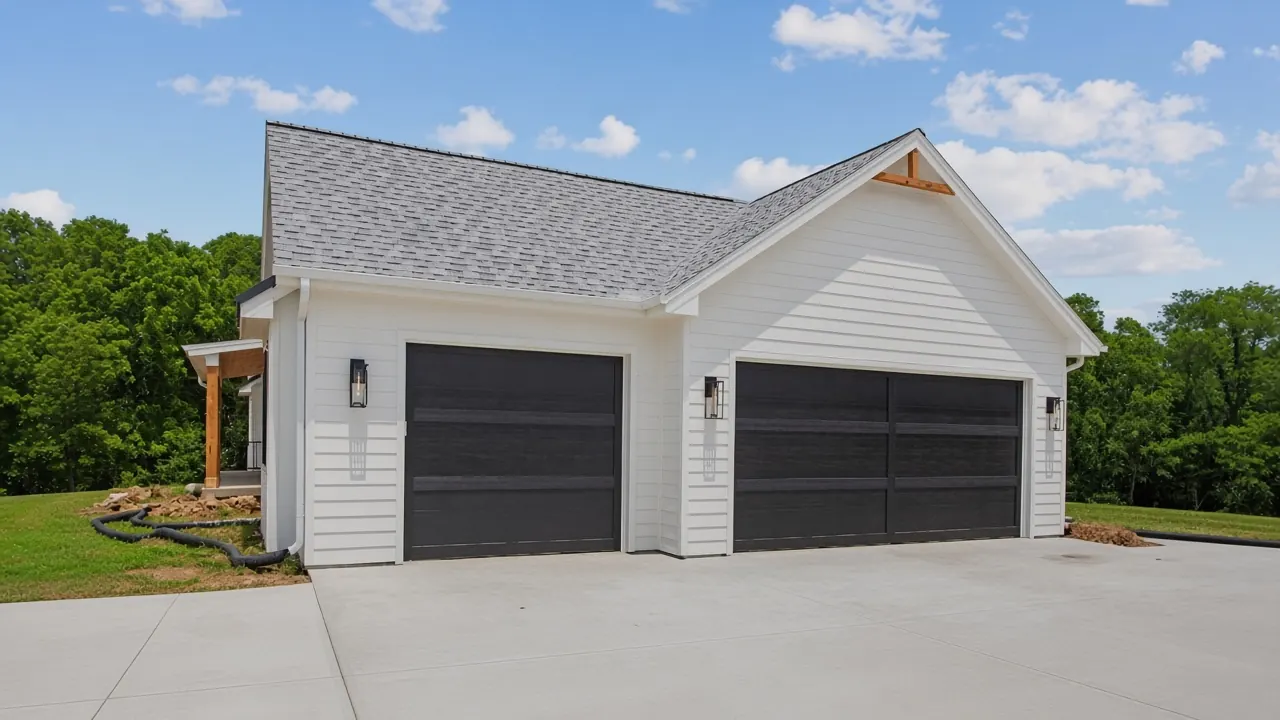
Garage Development
Garage Building Permits Calgary: What You Need to Build a New Garage
April 25, 2026
Get a quote →If you’re a homeowner in Calgary thinking about adding a garage, you’ve probably heard the word “permits” come up. And maybe your eyes glazed over a little. I get it. Permit talk sounds like a headache – but it doesn’t have to be. The truth is, permits exist for good reason: they keep your garage safe, legal, and valuable. And once you understand the basics, the whole process feels a lot less intimidating.
Let me walk you through everything you need to know about garage building permits in Calgary. No jargon, no fluff – just the practical stuff I’ve learned from building garages all over this city.
Do You Need a Permit to Build a Garage in Calgary?
Yes. Plain and simple. If you’re building any new garage – detached or attached – you will need at least one type of permit from the City of Calgary. Even a small single-car garage requires approval. There’s a common myth that “it’s just a shed” or “it’s under 100 square feet so I’m fine.” That’s not how it works in Calgary. The City’s Land Use Bylaw and the Alberta Building Code apply to pretty much any new garage structure.
The first thing to understand: skipping permits can cost you way more than getting them. We’ve seen homeowners forced to tear down a brand new garage because they built without a permit. Or they go to sell their house and the unpermitted garage kills the deal. So do yourself a favour – get the permits.
Types of Permits Required for a Calgary Garage
Here's where it gets a bit tricky. Most people think there's just one "building permit." In Calgary, the reality is more nuanced – and for a detached garage, you may need more than one type of approval.
The main permit you'll always need is theResidential Improvement Project Permit (RIPP). This is what the City of Calgary now calls the building safety approval for detached garages and accessory structures. It replaced the older "building permit" label for this type of project, and it's what ensures your garage meets structural and safety requirements under the National Building Code – Alberta Edition.
On top of that, every new detached garage in Calgary also requires aseparate electrical permit. This covers the wiring for lights, outlets, and your overhead door motor – it's not optional. If you're adding gas heat or rough-in plumbing, those need their own trade permits too.
Adevelopment permitis a separate piece of the puzzle. It's all about land use – checking whether your proposed garage fits within Calgary's zoning rules around setbacks, height, and lot coverage. The good news: most standard detached garages on typical residential lots don't require a development permit, because accessory buildings are listed as a permitted use in most Calgary residential districts. But if you're proposing something larger, taller, or positioned differently than the standard rules allow, you'll need one. Don't assume either way – always verify.
Calgary Garage Permit Requirements: Zoning, Size, Setbacks
The City of Calgary has pretty specific rules about where and how big your garage can be. From experience, this is where most DIY homeowners run into trouble. Here are the key ones to know:
Size restrictions– A standard detached garage cannot exceed 75 m² (about 807 sq. ft.) per dwelling unit on the lot. If your garage would be larger than the existing house, you'll need additional approvals.
Setbacks– This means how far your garage must sit from your property lines. Side setbacks are typically 0.6 metres, with 1.2 metres required on street-facing sides. For rear alley-access garages, setbacks vary depending on your zone and lane type – always confirm with the City.
Height– Maximum building height for a detached garage is 4.6 metres (about 15 ft.) to the peak of the roof. The wall height from the parking surface to where the wall meets the roof truss is capped at 3.0 metres. If you're planning storage trusses or a loft above, measure carefully.
Lot coverage– Your garage footprint plus your house can't exceed the lot coverage maximum for your zoning district. This catches people off guard when they have a big house and then want a big garage.
One thing many homeowners don't realize: even if your garage meets all these numbers, you still need to check for utility easements. Those underground gas lines, power lines, or sewer pipes might run right where you want to dig footings. The City won't let you build over an easement, and discovering one after you've poured a slab is a very bad day.
Zoning Details and Size Restrictions
Your specific zoning district – R-C1, R-C2, R-G, and others – each has its own rules. A garage that's fine in Mount Pleasant might not be permitted the same way in Chaparral. That's why we always pull the property's zoning information before drawing up any plans. Calgary's Land Use Map is publicly available, but interpreting it correctly is a different story.
Detached vs Attached Garages
Attached garages that are part of new home construction are typically covered under the main construction permit for the house. But if you're adding an attached garage to an existing home, that's treated as an addition and follows a different permit path – separate from the Residential Improvement Project Permit process. Attached garages also trigger additional fire separation requirements: fire-rated drywall, self-closing doors, and other code requirements that add complexity to the approval. For most homeowners adding a garage to an existing property, a detached structure is simpler to get approved and build.
City of Calgary Garage Permit Process
So how do you actually get a garage building permit in Calgary? Here's the practical step-by-step:
- Check your zoning– Look up your property on the City's Land Use Map or contact Planning Services. Confirm setback requirements, maximum size, and any overlay rules that might apply to your lot.
- Prepare your drawings– You'll need a site plan showing where the garage sits on your property (with measurements to all property lines) and building plans showing foundation, framing, elevations, and roof design. Hand sketches won't cut it – the City wants proper dimensioned drawings.
- Submit your application– Calgary uses an online portal for permit submissions. You'll upload your drawings, pay the fees, and answer questions about your project. Make sure everything is complete – incomplete applications are the biggest cause of delays.
- Review period– The City checks for zoning compliance, building code issues, and utility conflicts. They may request additional information. This is where things can slow down if your application isn't complete and accurate.
- Permit issued– Once approved, you'll receive your permit. Post it on the property and then you can start building.
- Inspections– Inspections are required at key stages – typically after footings, framing, and electrical rough-in. Don't skip these or cover work before it's been inspected. Your permit isn't closed until all inspections pass.
Approval Delays and How to Avoid Them
From experience, most delays come from incomplete drawings or setback errors. I've seen applications sit for weeks just because someone measured from the wrong property line, or forgot to include the electrical scope in their submission. Another common holdup: if your lot has a Maintenance Access Right-of-Way (MARW), you'll need to document it. And in some parts of the city – particularly areas near the river or with known soil issues – the City may ask for additional geotechnical information. A contractor who knows these local quirks can save you a lot of back-and-forth.
Cost and Timeline for Calgary Garage Permits
Let's talk money and time. The permit fees in Calgary are set on a fixed schedule and are more affordable than most homeowners expect.
For the Residential Improvement Project Permit (the main building safety approval for a detached garage), the current fee isC$333.84– that's C$321 base plus a 4% Safety Codes Council levy. Your electrical permit is on top of that, calculated separately based on construction value.
A development permit, if your project requires one, has its own separate fee structure through the City's planning applications schedule. For most standard residential accessory structures, this is typically a few hundred dollars, but the exact amount depends on the scope.
That's the City's cut. The bigger variable is professional drawing fees. If you hire a designer or drafter to prepare your permit drawings (which we strongly recommend), budget C$500 to C$1,500 depending on complexity. All in, most homeowners spendC$800 to C$2,000on permits and drawings combined for a standard double garage.
As for timeline – how long does a garage permit take in Calgary? A complete application on a straightforward lot can sometimes be approved in as little as a few days. More typically, expect 10 to 15 business days (two to three weeks) for a standard review. If you're applying during the spring and summer building rush, or if your application needs a development permit as well, add more time – four to eight weeks isn't unusual. Complex applications involving legal suites above the garage or non-standard designs can take longer still. Plan ahead, especially if you want to break ground in a specific season.
Common Mistakes Homeowners Make
I've been building garages in Calgary for over a decade. Here's what I see go wrong time and again:
- Not checking easements– You pour a slab, then find out there's a gas line right through the middle. That's a bad day.
- Forgetting the electrical permit– A lot of homeowners know they need a building permit but don't realize the electrical permit is always separate and always required for a new garage.
- Building too close to the property line– Setbacks are measured from the actual property line, not your fence. And fences aren't always where people think they are.
- Forgetting about overhead power lines– Your garage roof can't be within a certain clearance distance from the electrical service line coming from the alley. Inspectors check this.
- Thinking "I'll just get the permit later"– Later never comes. Then you're paying double permit fees (the City charges double if work starts before permits are issued) or removing concrete.
- Submitting incomplete or inaccurate drawings– Hand sketches and rough dimensions cause delays. The City wants proper scaled drawings with accurate measurements.
From experience, the homeowners who save the most time and stress are the ones who call a pro before they call the City.
Frequently Asked Questions
Do I need a permit to build a garage in Calgary?
Yes. Any new detached garage over 10 m² (107 sq. ft.) requires a Residential Improvement Project Permit as a minimum. An electrical permit is always required as well. Depending on your project and zoning, a development permit may also be needed.
What permits are required for a garage in Calgary?
At minimum: a Residential Improvement Project Permit (building safety approval) and a separate electrical permit. If you're adding gas or plumbing, those need their own trade permits too. A development permit is required if your project doesn't fit within standard zoning rules as a permitted use.
How much is a garage permit in Calgary?
The Residential Improvement Project Permit currently costs C$333.84 (inclusive of the Safety Codes Council levy). Your electrical permit is additional. Add drawing and design fees of C$500 to C$1,500 and most homeowners are looking at C$800 to C$2,000 total for permits and plans on a standard double garage.
How long does it take to get a garage permit in Calgary?
A complete application on a simple lot can be approved in a few days to two to three weeks. During the spring and summer busy season, or for more complex applications, four to eight weeks is common. Planning ahead is important if you have a target start date.
Can I build a garage without a permit in Calgary?
No. If you start work before your permits are issued, the City charges double the permit fee. Beyond that, you risk a stop-work order, fines, and being required to remove the unpermitted structure. It also creates significant problems when you go to sell your home.
Can a contractor handle garage permits in Calgary?
Absolutely. Most reputable garage builders in Calgary, including us, include permit application and management as part of the service. We pull the permits, prepare the drawings, and schedule the required inspections so you don't have to figure out City processes on your own.
What affects garage permit approval in Calgary?
Zoning compliance (setbacks, height, size limits), utility easements and Maintenance Access Right-of-Ways, accuracy of your drawings, and whether your project falls within permitted use rules for your zoning district. If your property is near a floodway or water body, additional environmental reviews may apply.
Ready to Build Your Garage Without the Permit Headache?
Permits are a necessary part of building in Calgary – but they don't have to be your problem to figure out. The rules have gotten more detailed over the years, and the cost of getting things wrong has gone up too (starting work without a permit now triggers double fees, on top of everything else).
When you work with experienced garage builders in Calgary who include permits in their service, you're paying for someone who's done this dozens of times and knows what the City wants to see. We handle the applications, the drawings, the communication with the City, and all the inspections. You tell us what you want, and we build it – legally, safely, and on time.
If you're thinking about a new garage, give us a call. We'll check your zoning, walk you through the Calgary garage permit requirements, and give you a straightforward quote. No runaround. No surprises. Just a solid garage built right.
Alberta Elite Construction –Calgary's garage, basement, and legal suite experts. Built by locals, for locals.

Get in touch
Request a free consultation
Contact Alberta Elite Construction today for a clear written quote and dependable workmanship.
Contact us now Call (587) 332-2255