
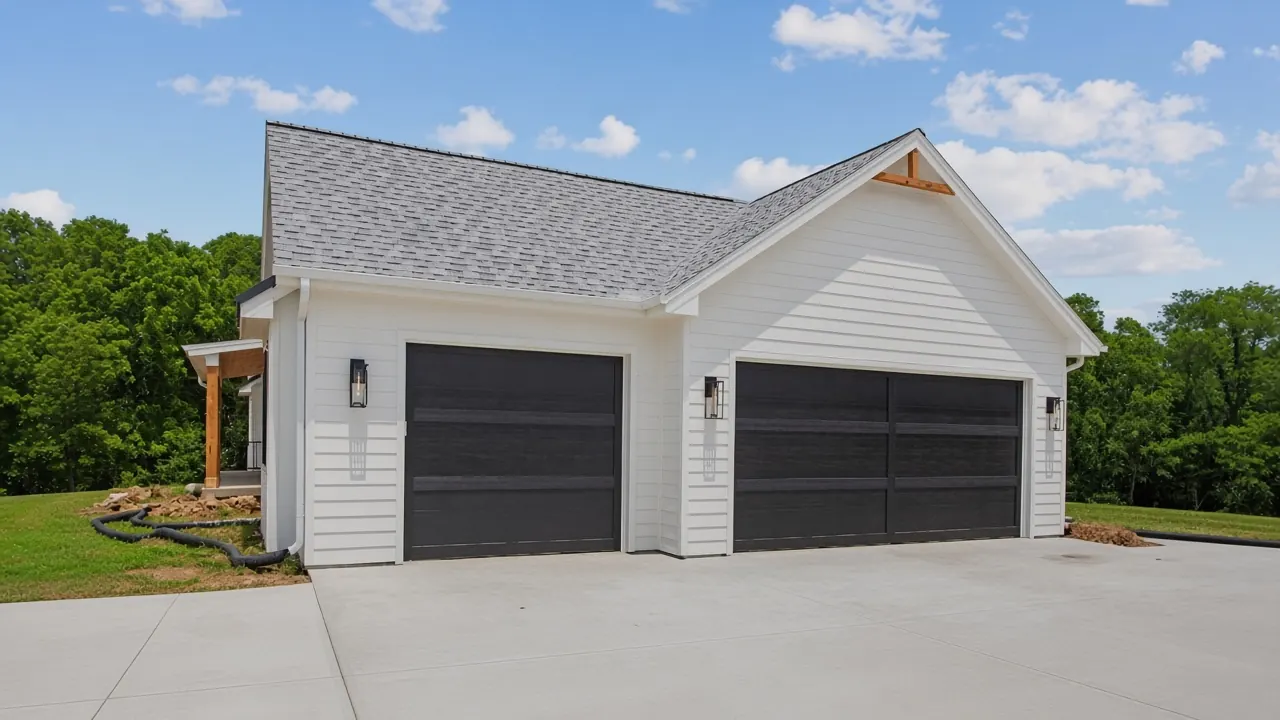
Garage Development
Detached vs. Attached Garage Development: Pros and Cons for Calgary Homes
March 22, 2026
Get a quote →Choosing between a detached or attached garage is one of those decisions that seems straightforward until you actually start thinking it through. Should you tie a new garage directly into your home's structure, or build a separate standalone unit at the back of your property? Both options have real merit, and what works perfectly for one Calgary homeowner might be the wrong call for the neighbour two doors down. After years of doing garage construction across the city - from older inner-city lots in Hillhurst and Ramsay to newer suburban builds in Chestermere and Airdrie - I've seen how much the right choice depends on your specific property, your day-to-day lifestyle, and your long-term goals for the home. Let's walk through the key considerations.
What "Attached" Actually Means for Your Home
An attached garage shares at least one wall with your house. That connection changes everything about how the build works. You're tying into an existing foundation, integrating the rooflines, and dealing with the building envelope - the thermal and moisture barrier that keeps your home energy-efficient and protected. The obvious appeal is convenience. You pull into the garage, step through an interior door, and you're inside. On a January morning in Calgary when it's -25°C and blowing, that's not a small thing. Families with kids, groceries, or anyone with mobility considerations will tell you that direct access is genuinely life-changing. No brushing snow off your coat before stepping in, no icy path to navigate. An attached garage also opens up the possibility of living space above it. A bonus room or bedroom over the garage is a popular addition, and it can make good use of what would otherwise be wasted vertical space. That said, the structural and thermal requirements for habitable space above a garage are significantly more involved than a simple storage area something that affects your budget and timeline. The trade-offs are worth knowing up front. Because the garage shares walls with your living space, car exhaust fumes and noise can find their way inside if the air sealing and ventilation aren't done right. Carbon monoxide is no joke, and proper detailing around that interior door and shared wall is non-negotiable from both a code standpoint and a safety one.
The Case for Going Detached
A detached garage sits entirely separate from your home, typically accessed via a back lane or a side driveway. In Calgary, a huge number of lots - especially in established neighbourhoods have rear lane access, and a detached build suits that layout naturally. What I've seen working with Calgary homeowners is that detached garages often give people more flexibility in how they use the space. When the structure is freestanding, you can design it with a workshop, storage loft, or separate entrance without it feeling like it's eating into your home's footprint. It becomes its own building on the property, which some people genuinely prefer. There's also the aesthetic side. On a lot where the home has a particular architectural character, tacking a garage onto the side can look awkward or break the visual flow of the façade. A well designed detached build at the rear of the property keeps the front of the house looking clean and uninterrupted. Noise and fumes aren't an issue either, since there's no shared wall. If you're running power tools on weekends or storing fuel, that separation matters. The downside is stepping outside to get to your vehicle. For most of the year in Calgary that's not a big deal, but mid-February is mid-February. You'll also need to run utilities - electrical at minimum, sometimes gas for a heater - out to a detached structure, which adds to the project cost depending on how far the run needs to go.
Weather, Snow Loads, and Calgary's Climate Reality
Calgary's climate shapes garage construction more than most people realize when they're in the planning stages. We get significant snow accumulation, and more importantly, we get freeze thaw cycles that are genuinely hard on foundations and concrete. That combination of heavy snow loads on the roof and soil movement from repeated freezing and thawing means the foundation work and structural design aren't areas where you want to cut corners. For an attached garage, the foundation needs to integrate properly with your home's existing footings. Get that wrong and you're looking at differential settling - meaning the garage moves at a different rate than the house, which creates gaps, cracking, and eventually real structural problems. For a detached build, the foundation is its own project. Depth requirements in Calgary are set to address frost penetration, which goes well below what you'd need in a warmer climate. This is one of the reasons that detached garage builder experience in this specific region matters. Someone who's only worked in Vancouver or Toronto hasn't dealt with our soil conditions and freeze-thaw reality the same way. Wind is another factor, particularly for detached structures. South-facing garage doors take a beating from Chinooks, and the framing, door hardware, and anchorage need to account for that.
Budget and Construction Complexity
Generally speaking, a detached garage tends to be more straightforward as a standalone project. You're not integrating with an existing structure, so there's less risk of running into surprises when the crew starts opening things up. The cost is primarily driven by size, finishes, and how far utilities need to travel from the main house. An attached garage development is more complex. The roof tie-in, matching the existing wall assembly, getting the foundation connection right, ensuring the thermal envelope is continuous-these things require careful planning and execution. The cost per square foot often runs higher as a result, though the total project cost can be offset by the higher value it typically adds to the home. Both types require permits through the City of Calgary, and both will have setback requirements that determine how close the structure can get to property lines. The city's rules around rear yard setbacks, side yard clearances, and maximum lot coverage vary depending on the zoning district your property sits in. Inner-city lots and suburban lots play by different rules, and getting those details right before you break ground saves a lot of headaches
Permits, Setbacks, and Calgary Building Codes
The permit process for garage development in Calgary involves submitting detailed drawings, meeting specific zoning requirements, and passing inspections at key stages of construction. It's not complicated if you know the process, but it's absolutely something that catches unprepared homeowners off guard when they try to manage it themselves. Setbacks are the measurements that define how close a structure can be to your property lines, the lane, and your home. For a detached garage on a rear-lane lot, there are rules about how close you can build to the lane, how much clearance is needed from the side fence, and what percentage of your lot the combined structures can cover. Those rules exist for good reasons emergency access, drainage, livability - and they're enforced. An attached garage has its own set of considerations. The connection to the home needs to meet f ire separation requirements, and if you want that interior access door, there are specific code requirements around door construction and the shared wall assembly. Navigating all of that is honestly where a professional builder earns their keep. The permit drawings, the code compliance details, the inspection scheduling - handling it yourself on a first project is a recipe for delays and potential costly revisions.
Property Value and What Buyers Actually Want
Both attached and detached garages add real value to Calgary homes. A well-built, properly permitted garage is one of the highest-return improvements you can make to a residential property. That said, the type of buyer it appeals to can differ. Families with young children often strongly prefer the attached option for the convenience and safety of not having to walk outside. If your neighbourhood skews toward that demographic, an attached garage addition can be a strong selling point. Detached garages, particularly well-built ones with extra height or a workshop space, tend to appeal to buyers who want a separate workspace or who prioritize the front-of-house appearance. On inner-city lots where lane access is the norm and the home has heritage character, a detached build often looks and feels more appropriate. What matters for resale in both cases is quality. A garage that was built to code, properly insulated, and finished to a professional standard holds its value. A garage that was built without permits or with shortcuts that show up during a home inspection is a liability
Frequently Asked Questions About Garage Development in Calgary
Do I need a permit to build a garage in Calgary?
Yes, always - and it's not optional. The City of Calgary requires permits for any new garage, whether attached or detached. That means submitting drawings, meeting zoning rules, and passing inspections at key build stages. It sounds like a lot, but a good local builder handles most of that on your behalf and knows exactly what the city reviewers are looking for.
Which option works better if my lot has rear lane access?
A detached garage almost always makes more sense on a rear-lane lot. You pull in from the lane, the structure sits at the back of the property, and the front of your home stays clean and open. It's actually how most inner-city Calgary neighbourhoods were designed, and the city's zoning rules in those areas typically reflect that layout.
Does building a garage actually add value to my home?
It genuinely does - often more than most other home improvements. Both attached and detached garages add real resale value in Calgary, especially given our winters. The key is doing it properly with permits and quality materials. A garage built without permits or with visible shortcuts can actually hurt a sale when the home inspection turns up issues.
How does Calgary's climate affect the foundation work?
More than most people expect. Frost penetration here goes deep, so garage foundations need to be built accordingly or you'll see movement and cracking as the ground heats and cools through the seasons. For an attached garage, the new foundation also has to tie in correctly with your home's existing footings. Get that connection wrong and you end up with differential settling - which is as unpleasant as it sounds.
Will I notice car fumes or noise inside if I go with an attached garage?
Only if it's built wrong. Proper air sealing, the right wall assembly between the garage and living space, and a code-compliant interior door all keep fumes and sound where they belong. Carbon monoxide separation is a code requirement for a reason, and any experienced Calgary garage builder will detail that carefully. It's one of those things that's easy to do right and costly to fix after the fact.
Is it possible to add living space above a detached garage?
It depends on your zoning. Calgary's rules around secondary and garden suites have evolved in recent years, and some properties do allow habitable space above a detached garage - but it involves a more involved permit process, stricter structural requirements, and specific ceiling height and egress rules. If that's something you're considering, it's worth having a conversation early, before the design is set, so the structure can be built to support it from the ground up.ShareArtifactsDownload allGarage development faqDocument · MD Detached vs attached garage calgary.
So Which One Is Right for Your Property?
There's no universal answer. A few questions worth thinking through: How much do you care about direct indoor access? Is your lot set up for rear lane access, or is a front-attached configuration the only realistic option? How are you planning to use the space - parking only, or workshop, storage, or potential rental income? And what's the character of your existing home would an attachment complement it or clash with it? What I'd always say is this: regardless of which direction you go, the quality of the build determines the outcome. Calgary's climate, the city's permit requirements, and the structural demands of integrating with or building near an existing home all require hands-on experience to get right. If you're at the point of seriously weighing your options, it's worth sitting down with someone who's done this work across many different Calgary properties and can walk through what's realistic for your specific lot and budget. We'd be glad to do exactly that. Take a look at
our garage development servicesto see the kind of work we do, and reach out when you're ready to talk through your project

Get in touch
Request a free consultation
Contact Alberta Elite Construction today for a clear written quote and dependable workmanship.
Contact us now Call (587) 332-2255